Backpacking Food Ideas That Actually Work on the Trail
When you are hiking or backpacking, food is not just something you eat to feel full. It is your main source of energy. After spending years exploring trails and planning backpacking meals for short and long hikes, one thing is clear — the right backpacking food ideas can completely change your hiking experience.
Many beginners pack fancy food that looks good at home but feels heavy and useless on the trail. This blog shares food ideas backpacking hikers actually rely on — simple, lightweight, and practical. You will also come across some healthier snack ideas, which will keep your energy levels stable and will not make you sluggish.
Why Backpacking Food Needs Special Planning
Backpacking presents a unique experience that differs from traditional travel. The activity requires you to expend energy through walking and perspiring and sustain your movement for extended time periods. Your body needs food, which will provide energy without causing exhaustion.
The actual hiking experience shows that effective backpacking food solutions should meet these requirements.
The food needs to:
- Maintain energy throughout the day.
- Be simple to consume during rest periods.
- Have a lightweight design for packability.
- Work well in all types of weather.
Poor food choices lead to low energy, cramps, and frustration mid-hike.
What Makes Good Food Ideas for Backpacking Trips Need
Before choosing meals, hikers should first determine their body requirements for the hike.
● High Energy Foods
Carbohydrates give instant energy to the body while fats provide long-lasting energy. The combination of nuts, peanut butter, and oats creates an effective energy-boosting snack solution.
● Easy Preparation
You want simple cooking methods after you spend a whole day walking. Simple meals save both time and energy.
● Long Shelf Life
Refrigeration facilities do not exist on most hiking routes. Natural methods must keep food fresh for consumption.
This balance is the base of all reliable backpacking food ideas.
Best Backpacking Food Ideas for Breakfast
Breakfast fuels your entire hike day.
Instant Oatmeal with Add-ons
Oats provide a weightless meal component that maintains its fullness. The dish requires the addition of dry fruits, nuts, and honey.
Energy Bars and Homemade Granola
The product works best during morning hours when users need to conserve their time.
Peanut Butter with Bread or Tortilla
The product delivers high-calorie content, which maintains its satisfaction level throughout extended outdoor activities.
These food options stand as the most reliable choice that hikers use during backpacking across the globe.
Practical Hiking Lunch Ideas for Long Trails
You need your lunch to provide you with energy for work, yet your lunch should not cause you to experience drowsiness.
Tortilla Wraps with Peanut Butter or Cheese
Tortillas, which have high strength and low weight, serve as an alternative to bread. These are classic hiking lunch ideas.
The Ready Tuna or Chicken Packets
The product provides users with protein, which they can consume without the need for cooking. Customers can enjoy the product with crackers or wraps.
Trail Mix
A combination of nuts and seeds with dark chocolate provides walkers with fast energy.
No-Cook Backpacking Food Ideas for Fast Hikes
On many hikes, cooking is not possible.
Reliable no-cook options include:
- Energy bars
- Dry fruits and nuts
- Nut butter sachets
- Protein bars
- Jerky
These food ideas backpacking hikers prefer when speed matters.
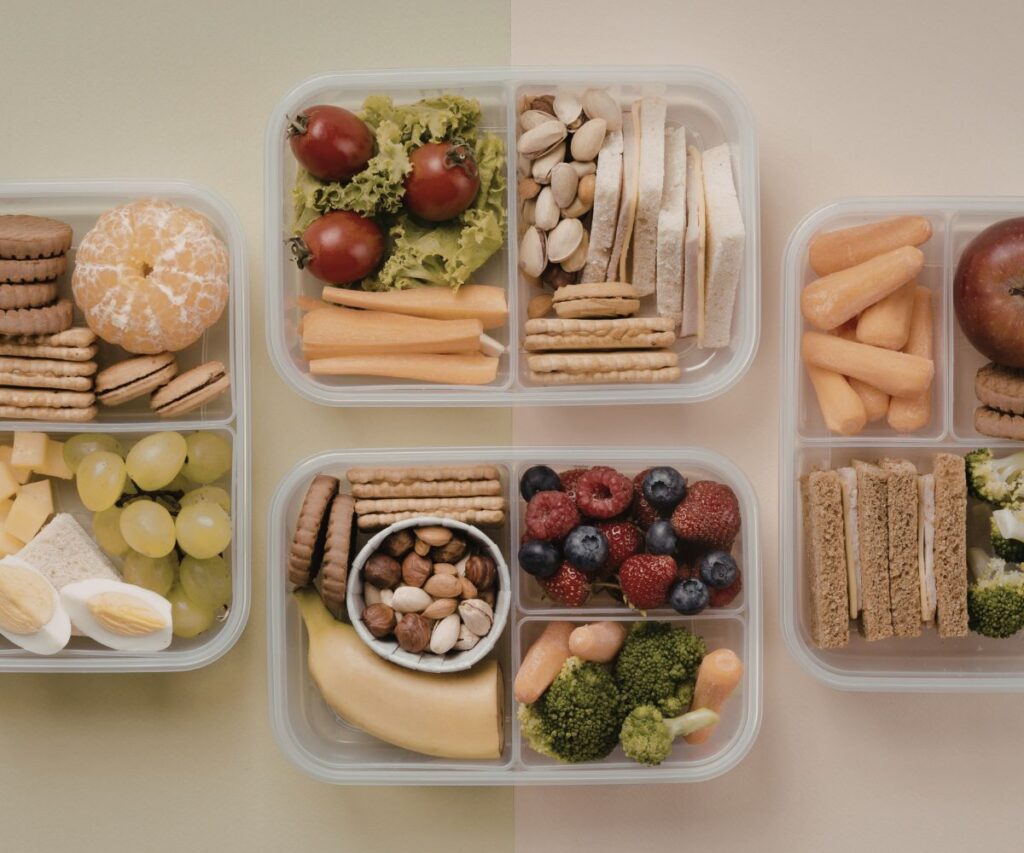
Simple Dinner Backpacking Food Ideas After a Long Day
Dinner helps your body recover.
Instant Rice or Pasta Meals
Dehydrated vegetable products and ready-made sauces should be added to the dish for improved nutritional value.
Dehydrated Ready Meals
Backpackers with experience use these meals for their extended hiking trips. Just add hot water.
Soup Mix with Crackers
The product has a light weight for digestion, and it contributes to body hydration.
Best Snacks to Carry While Hiking
Snacks maintain consistent energy levels for people who eat between their main meals. The energy balls contain:
- Oats, honey, and nuts.
- Dark chocolate serves as a snack option.
- Electrolyte components.
The small enhancements to your hiking lunch ideas selections will boost your entire stamina performance.
How to Plan Backpacking Food Like an Experienced Hiker
From real hiking experience, food planning matters more than food variety.
- Pack food day-wise
- Keep snacks in easy reach
- Test meals before long trips
- Carry enough salt and electrolytes
Smart planning makes your backpacking food ideas actually useful.
Common Backpacking Food Mistakes to Avoid
Many hikers learn this the hard way.
- Carrying too much food
- Ignoring protein
- Packing food that melts
- Forgetting hydration support
Avoiding these mistakes keeps your food ideas backpacking strategy efficient.
Final Thoughts on Backpacking Food Ideas
Good food makes a good hike great. The best backpacking food ideas are simple, tested, and practical. You should concentrate on energy, and weight and ease of preparation when you select your hiking lunch options and multi-day trek meals.
Backpacking hikers achieve stronger walking and faster recovery, and greater trail enjoyment through the correct food ideas.
FAQs
What are the most popular backpacking food concepts?
Hikers can obtain healthy food through travel-friendly snacks, which include instant oats, energy bars and trail mix, and peanut butter wrap.
What is the amount of food to carry when backpacking?
Hikers should consume between 2,500 and 4,000 calories each day according to their trail distance and trail intensity.
Is there a problem with no-cook food as being backpacking-friendly?
No-cook meals should be used during short or fast hikes during warm weather.
What methods exist to keep backpacking food fresh over time?
Airtight packaging together with moisture control and dry food purchase, which contains the majority shelf life should be used to keep food fresh.
Rajat Pathania is a hiking enthusiast who studies trails, hiking safety, and outdoor preparation. He shares practical insights based on field experience, gear testing, and research about trekking conditions. His work focuses on helping hikers understand trail planning, safety practices, and essential hiking skills for better outdoor trips.