Hiking Food and Hydration Tips for Beginners: Complete Trail Guide
Food and water are the main things to plan before you go hiking. Beginner hikers ignore this in excitement and only focus on just a few items: shoes and backpacks. But good food and water are also necessary. In this guide, you will learn practical hiking food and hydration tips that help you stay safe, energized, and prepared on every trail.
Why Food and Hydration Matter on the Trail
When you go for a hike, your body burns more calories than usual. You lose water and salt while hiking. You should take this into account:
- You may feel tired quickly
- A headache can start
- Muscle cramps can happen
- In hot weather, heat exhaustion is possible
Good planning keeps your energy steady and your mind clear.
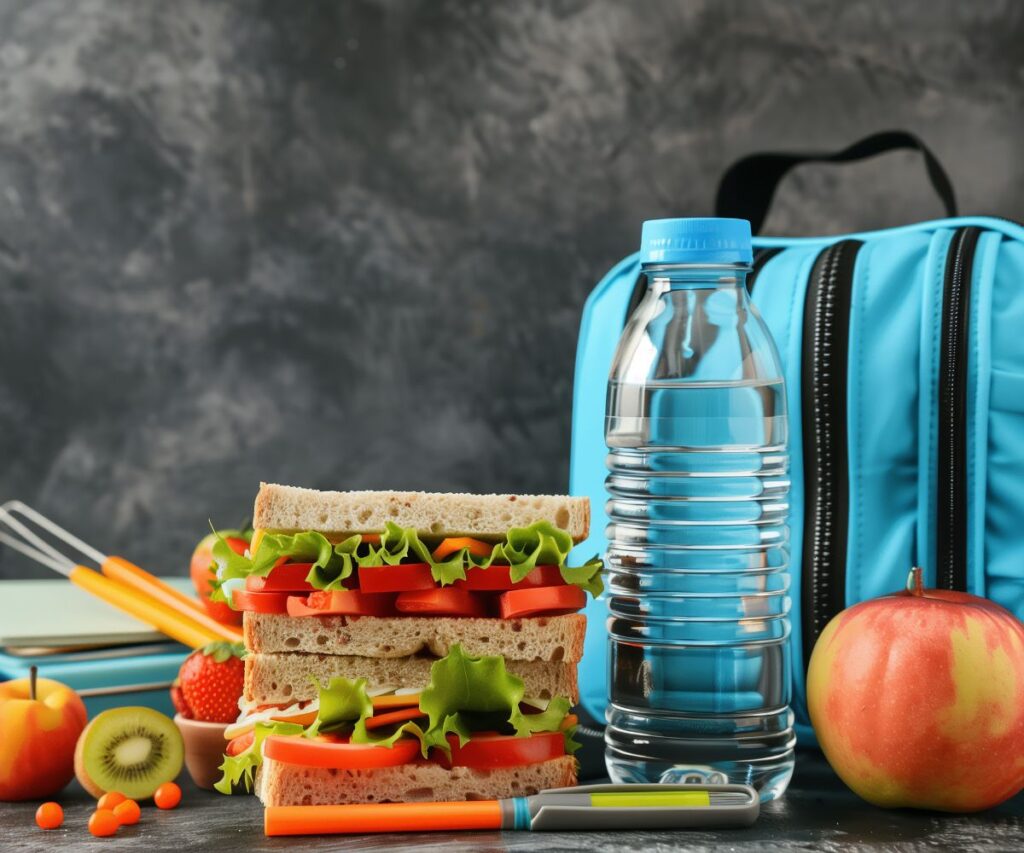
● Best Energy Foods for Hiking
Proper hiking meal planning ensures that you carry the right balance of nutrients without overpacking unnecessary weight.
Select hiking foods that are:
- Easy to carry
- High in calories
- Quick to eat
The appropriate options are:
- Nuts, seeds, and dry fruits
- Peanut butter sandwiches
- Energy bars
- Roasted chana
- Dark chocolate
- Dates
You should carry some instant food for the trail.
● Balancing Carbs, Proteins, and Fats
Your body needs:
- Carbs for quick energy
- Protein for muscle repair
- Healthy fats provide long-term energy
This is relevant in the appropriate backpacking food and hydration planning.
When I had a summer hill hike I used to take biscuits and juice only. And just after one hour, I was starving more. I then began to carry peanut butter and nuts. That day, I learned that food and water planning is essential while hiking.
Complete Hiking Hydration Guide
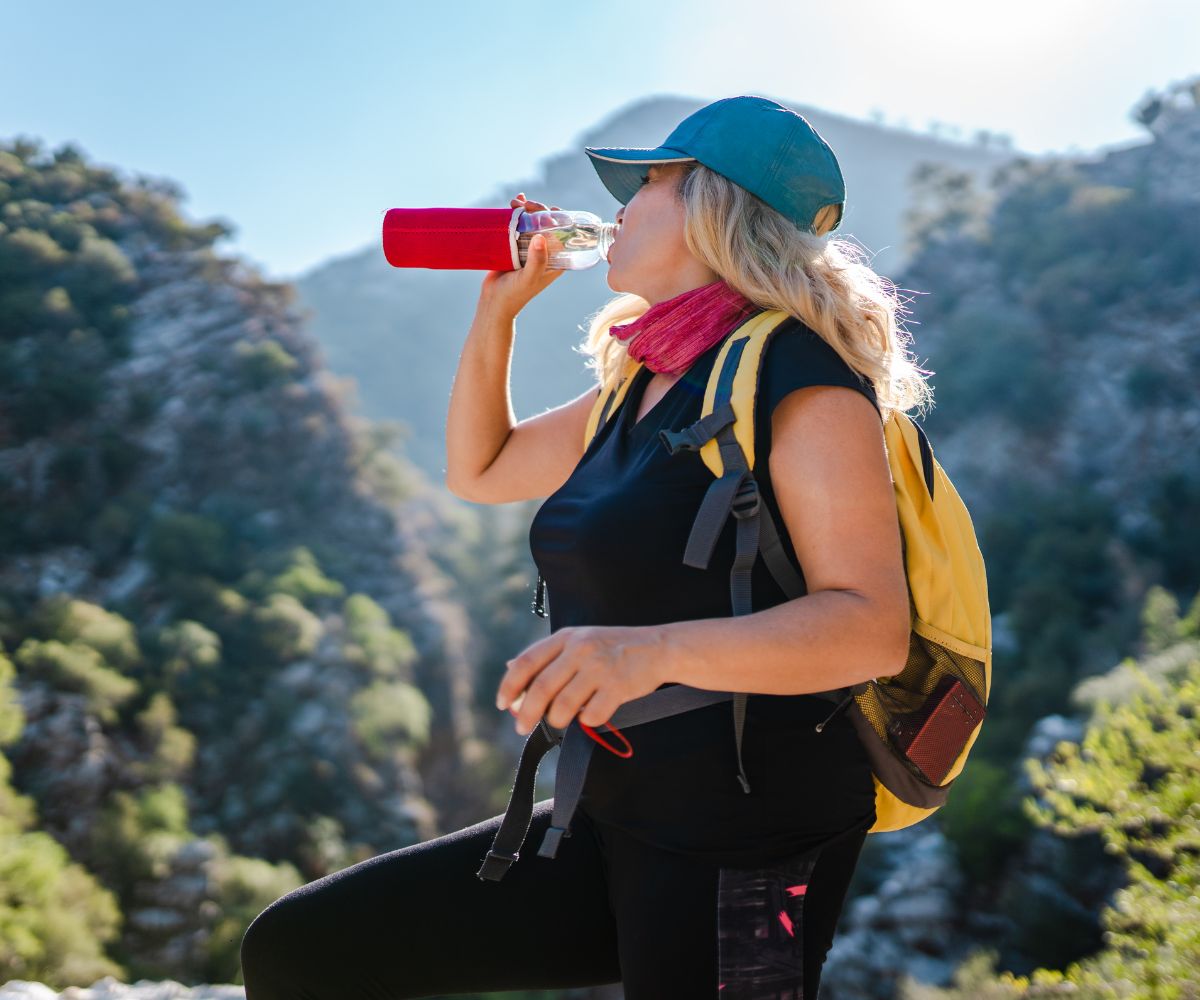
Food is important while hiking, but so is water. It is the most essential element in hiking. So, there must be one question wondering how much water we should carry for the trail?
How much water should you carry?
Planning your water intake for hiking should depend on weather, body weight, and trail intensity.
For normal weather:
- Around 500–750 ml per hour of hiking
For hot weather:
- 750 ml to 1 liter per hour
This depends on:
- Body weight
- Trail difficulty
- Weather
- Sweat rate
Planning this properly is part of a complete hiking hydration guide.
Hydration Tips for Hot Weather Hiking
Well, usually summer hikes need extra care and demand from you. Here are practical Hydration tips for hot-weather hiking:
Start Hydrating Before the Hike
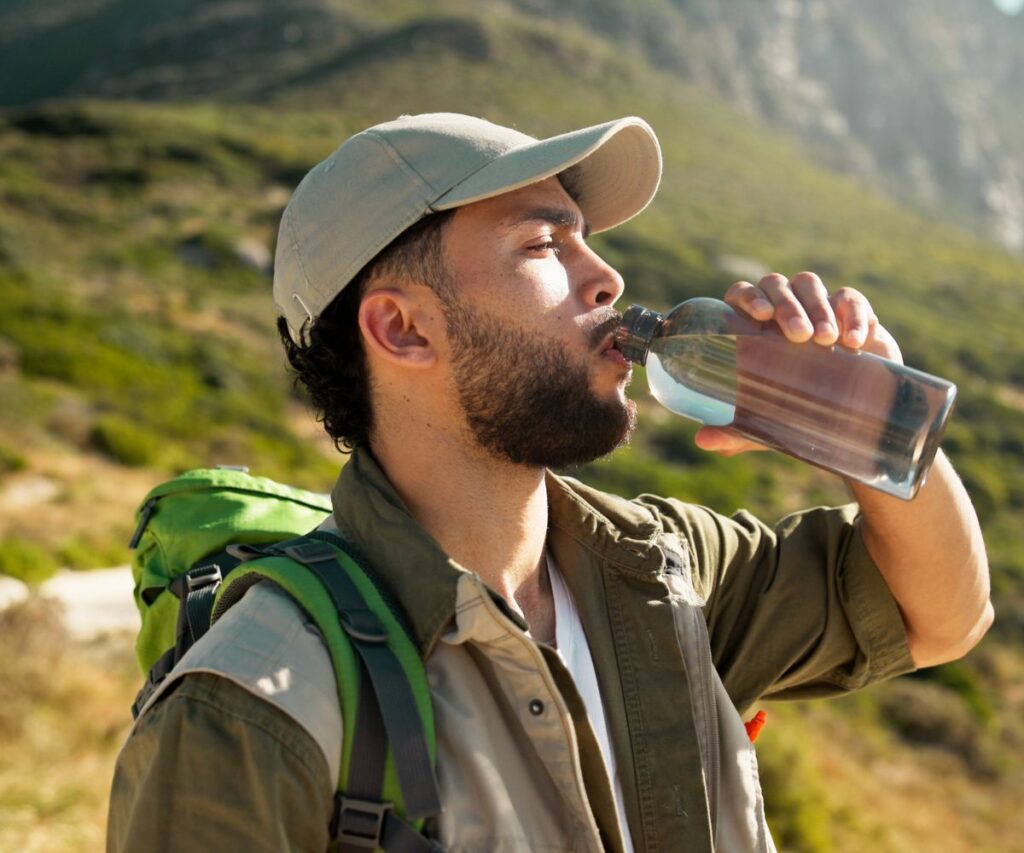
Smart hydration is the key to dehydration prevention on hikes, especially in hot and humid weather. Do not wait to feel thirsty. Drink water 1–2 hours before starting.
Add Electrolytes
Maintaining proper electrolyte balance while hiking is just as important as drinking enough water. Carry:
- ORS packets
- Electrolyte tablets
- Lemon water with salt
During a summer hill trek in nearly 38°C heat, I made the mistake of drinking only water without electrolytes. By afternoon, I felt weak and dizzy.
Drink Small Sips Frequently
Drink water before you start feeling thirsty. You are supposed to take water at intervals of every 15-20 minutes.
Avoid Too Much Caffeine
Excessive consumption of tea, coffee, or energy drinks may enhance dehydration.
Wear Light Clothing
Clothes of light material and breathable nature minimize loss of sweat.
All the simple hydration hints of hiking in hot weather can be used to avoid heat exhaustion.
- According to the Centers for Disease Control and Prevention, staying hydrated during physical activity in hot weather helps prevent heat-related illnesses.
Backpacking Food and Hydration Planning for Multi-day Trips
The planning is more detailed in the case of hikes overnight or multi-day.
Calculate Daily Calories
On long hikes, you may need:
- 2500–4000 calories per day
Choose:
- Dehydrated meals
- Instant rice or poha
- Protein bars
- Nut butter packs
Plan Water Sources
Before starting:
- Check if ponds or rivers are available
- Should carry at least 5 litres of water
- Never depend only on one water bottle.
Follow a Hydration Schedule
Morning: Don’t forget to drink before packing
During hike: Small sips at regular intervals
Evening: Rehydrate properly
This structured method makes your backpacking food and hydration plan reliable.
For more practical meal ideas, read our guide on Backpacking Food Ideas That Actually Work on the Trail to plan smarter trail nutrition.
Signs of Dehydration on a Hike
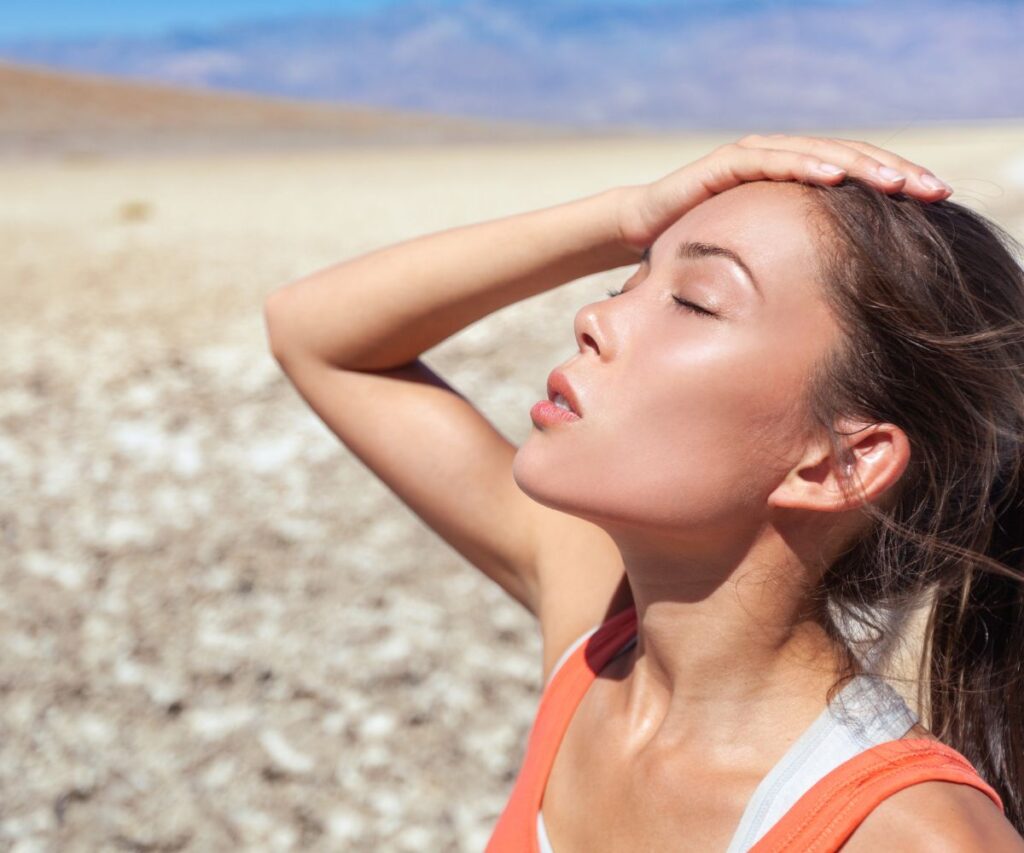
Watch for:
- Dark yellow urine
- Dry lips
- Headache
- Low energy
- Muscle cramps
If you notice these signs, stop and drink water with electrolytes.
Day Hiking Food and Hydration Checklist
Here is a quick checklist:
- 2–3 liters of water (depending on weather)
- Electrolyte mix
- Trail mix
- Energy bars
- Sandwich or simple meal
- Extra snack
- Water filter (if needed)
I have personally tested these hiking food and hydration tips on forest and on hill trails over the years, and they consistently make a difference.
Final Thoughts
Food is the source of energy, while water is a necessity for survival. Therefore, don’t ignore hydration tips. You should schedule it just like you schedule your itinerary.
From what I see, hikers who adhere to proper food and water scheduling not only have a better time on the trail but also bounce back quicker after the hike.
Consider this guide as a hiking hydration guide and gradually enhance your backpacking food and hydration strategy.
Be simple. Be prepared. Be hydrated.
FAQs
1. How much water should you take hiking?
You are supposed to take some 500-750 ml an hour on average and 1 liter an hour in hot conditions.
2. What are the hydration tips for hiking in hot weather?
The best hydration tip is to be hydrated before hitting the trail. Drink more electrolytes and limit caffeine.
3. What are some of the ways to pack multiple-day hikes with food and hydration?
Figure out your daily caloric requirement, carry “light foods that are highly energetic”, check out water points, and follow a hydration schedule.
4. What are the symptoms of dehydration during a hike?
When you are dehydrated, your urine becomes dark, and you suffer from headache, muscle cramps, dry mouth, and more fatigue.
Rajat Pathania is a hiking enthusiast who studies trails, hiking safety, and outdoor preparation. He shares practical insights based on field experience, gear testing, and research about trekking conditions. His work focuses on helping hikers understand trail planning, safety practices, and essential hiking skills for better outdoor trips.