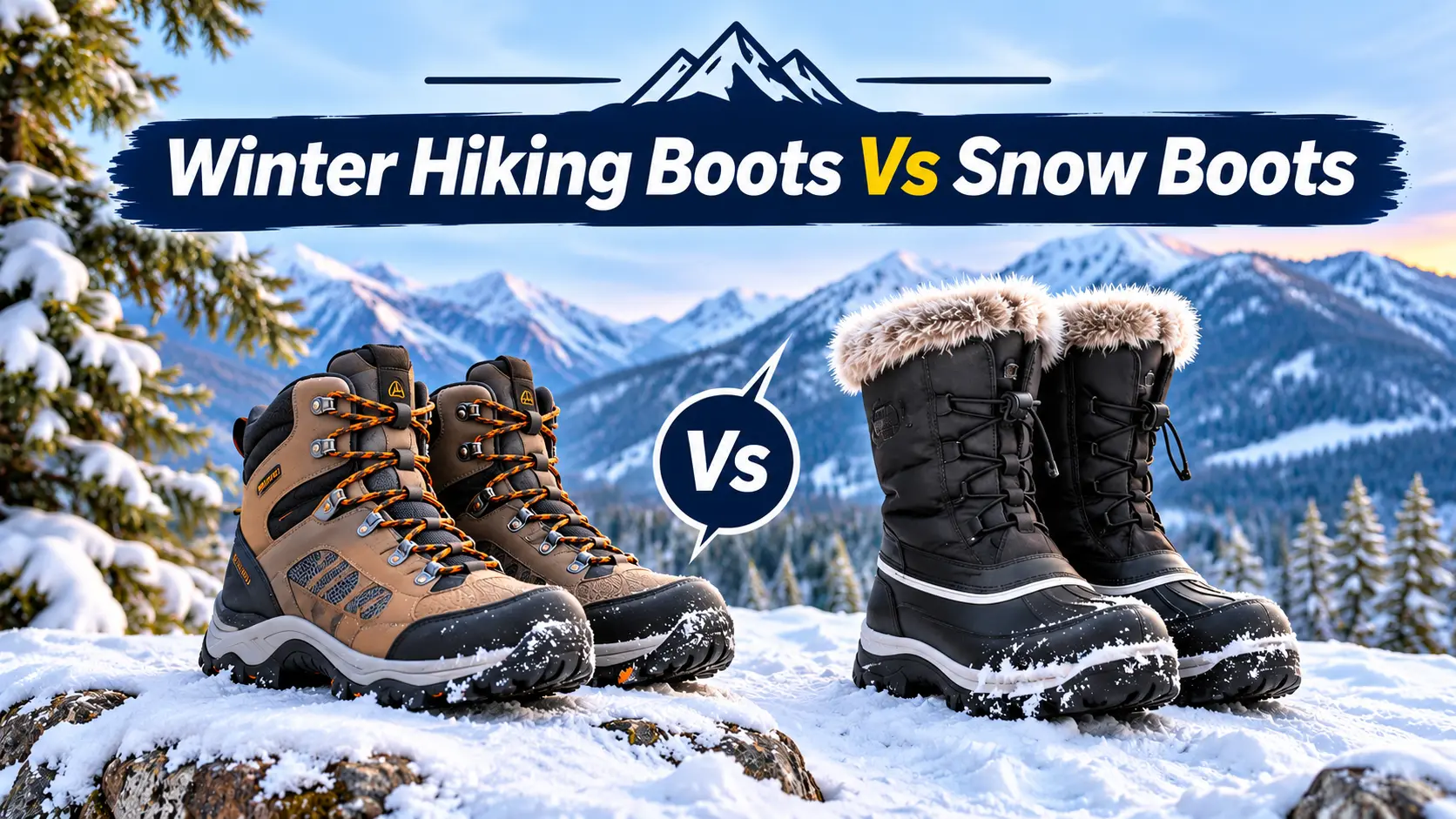
Winter Hiking Boots vs Snow Boots: Which One Is Best for Winter Adventures?
If you like to be outdoors, it is important that you wear the right winter boots. Walking can be challenging in the cold weather, snow and slick trails. The right pair of footwear will keep your feet warm, dry and comfortable, and will protect them from harsh conditions.
When comparing winter hiking boots and snow boots, you may notice that both look similar, but they are designed for different purposes. Winter hiking boots are more supportive and have grip on outside trails, snow boots offer additional warmth and protection in deep snow. Knowing the distinction between them can assist you in picking the appropriate pair.
What Are Winter Hiking Boots?
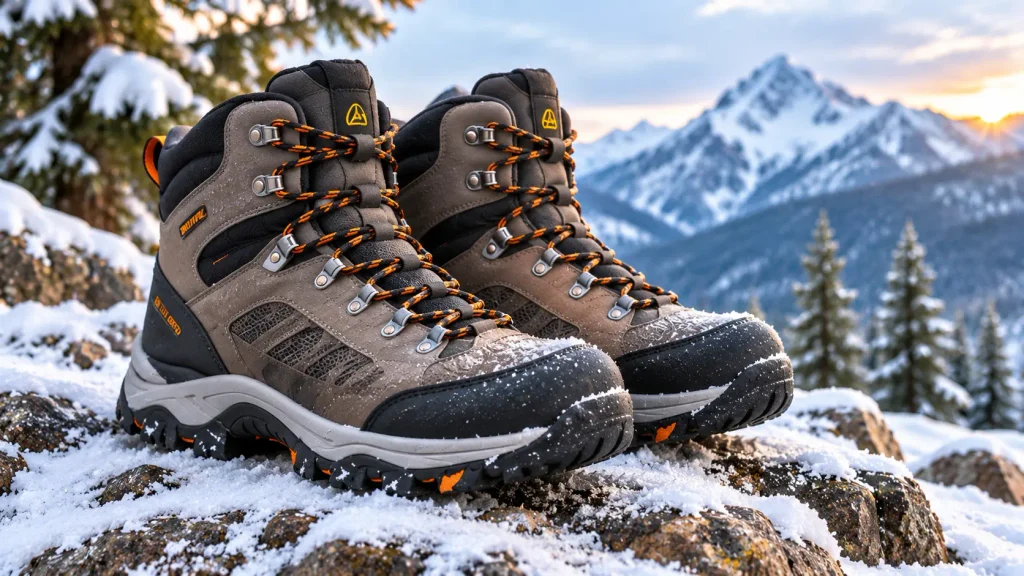
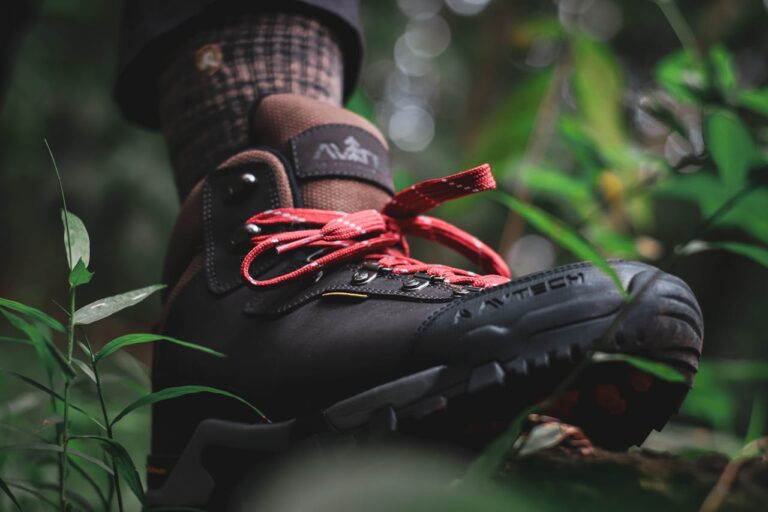
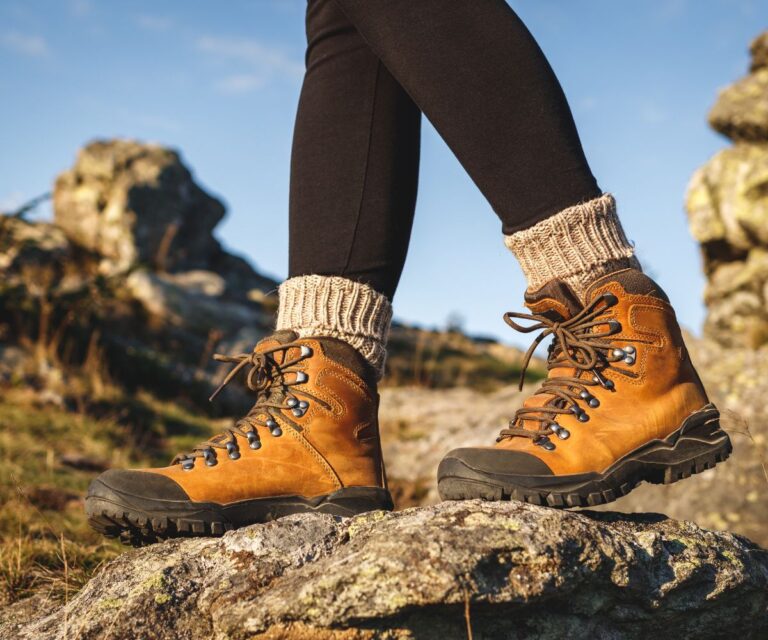
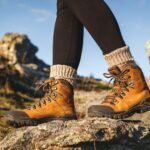
Winter hiking boots are meant for those who like to hike in winter. They offer ankle protection, support and good traction in snow and moisture. Their robust feet enable you to walk on rough trails, snow-covered tracks and uneven terrain with ease.
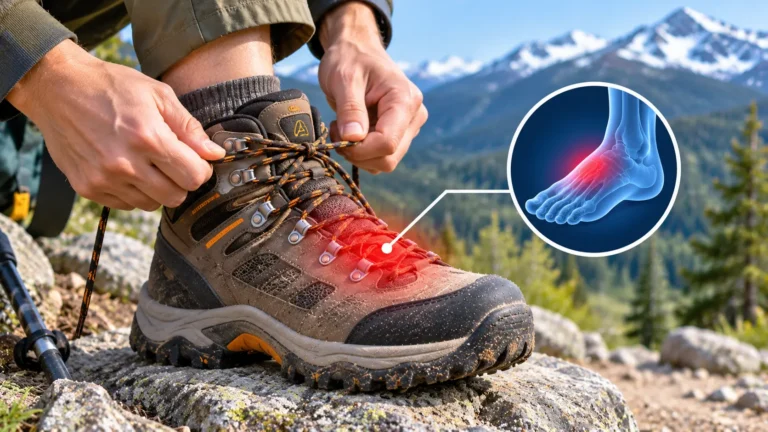
 Also readHiking Boots Hurt the Top of Your Foot? Causes and Easy Ways to Fix ItRead now →
The majority of winter hiking boots are constructed from sturdy and waterproof materials. Others have insulation to help warm up your feet without a lot of extra weight. These make good long distance walking and outdoor gear companions.
What Are Snow Boots?
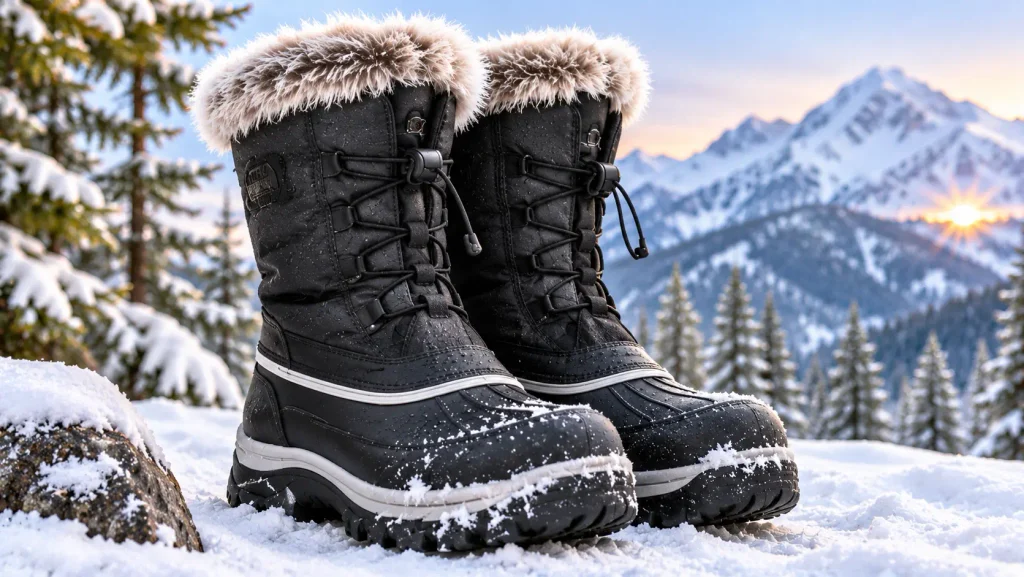
Snow boots are mainly designed to protect your feet from cold temperatures and deep snow. They are typically built with heavy insulation, waterproof exterior and soft linings.
Typically these boots are heavier and warmer than standard hiking boots. They are good for walking in the snow, daily winter use and for standing outside in cold weather.
They might not offer sufficient flexibility and support for extended walks on difficult paths, though.
 Also readBest Hiking Boots: How to Choose the Right Boots for Safe HikingRead now →
Winter Hiking Boots vs Snow Boots: What Is the Difference?
There is no difference between snow boots and hiking boots except that they are used for different purposes. Hiking boots are geared for mobility, stability and grip, whereas snow boots are geared for warmth and protection.
In winter hike-On booties tend to be lighter and more flexible, which makes them good for long distances. Snow boots are thicker in insulation and boast a more spacious build to warm your feet in thick snow.
The outsole of winter hiking boots may be different types of grip for different hiking terrain. Snow boots will work better in the snow but not as well when the trail is rocky.
This will vary depending on where you intend to walk and the temperature of the weather.
 Also readHow to Choose the Right Hiking Boots for Any Terrain (Complete Guide)Read now →
Can You Use Snow Boots for Hiking?
It’s perfectly okay to hike in snow boots, but not always the best choice. They can offer sufficient warmth and protection for short walking in the snow.
However, regular snow boots can get heavy during extended hikes. They could also have a lack of ankle support and flexibility.
Waterproof winter hiking boots are preferable if you hike on mountain trails regularly. They offer a sound level of comfort, grip and support.
Features to Look for in the Best Boots for Winter Hiking
When it comes to choosing the best boots for winter hiking, knowing which features are the most important can make it easier.
- Waterproof: For winter hiking, wear waterproof boots to keep the snow and water out.
- Insulation: Insulated hiking boots help keep your feet warm in low temperatures.
- Traction: Deep rubber outsoles with a good grip on snowy and muddy trails.
- Ankle Support: Good ankle support provides more stability on uneven surfaces.
- Fit: Ensure that your boots fit tightly enough for thick winter socks, but not so tight that you need to shove your feet in.
The features could make a huge difference when it comes to comfort and safety in winter adventures.
Snow Boots vs Waterproof Hiking Boots: Which Should You Choose?
Which one would you choose ? It depends on the outdoor activities and weather conditions.
Snow boots are a good choice if you have to walk through deep snow or stay outside in freezing weather for extended periods of time. They have a very thick insulation that ensures further warmth and protection.
However, for those who like to walk a long distance, hike through the mountains, and escape to the outdoors, waterproof hiking boots are the better choice. They are more flexible, have more grip and hold.
For snowy weather, shoes that have a winter hiking design with waterproofing and sufficient insulation are the ideal pair of boots to choose from.
Final Thoughts
The decision of winter hiking boots vs snow boots will depend on your needs. Snow boots are perfect for deep snow and winter activities in general, and winter hiking boots are great for traversing snowy trails and rough ground.
You should take into account the weather, walking conditions and comfort level you need before making a purchase. With the proper boots, you’ll be able to enjoy your winter adventures with your feet dry, warm, and protected.
FAQs
1. What is the difference between winter hiking boots and snow boots?
Ans – Winter hiking boots have excellent grip, flexibility and ankle support for walking on snowy terrain. Snow boots offer more insulation, warmth and protection.
2. Can I wear snow boots in the winter for hiking?
Ans – You can wear snow boots for short and easy walks but they can feel heavy and inflexible on long or rough terrain.
3. Are winter hiking boots warm enough for snow?
Ans – Insulated winter hiking boots will keep your feet warm. Choose waterproof boots with the correct amount of insulation.
4. Are snow boots better than waterproof hiking boots?
Ans – Snow boots are better to wear in deep snow and extreme cold weather whilst waterproof hiking boots are better for long walks, mountainous terrain and rough terrain.
5. What should I look for in the best winter hiking boots?
Ans – Look for waterproof materials, the correct amount of insulation, durable rubber soles, good grip, ankle support and enough space to comfortably wear winter socks.
Related Blogs –

Rajat Pathania is a hiking enthusiast who studies trails, hiking safety, and outdoor preparation. He shares practical insights based on field experience, gear testing, and research about trekking conditions. His work focuses on helping hikers understand trail planning, safety practices, and essential hiking skills for better outdoor trips.