
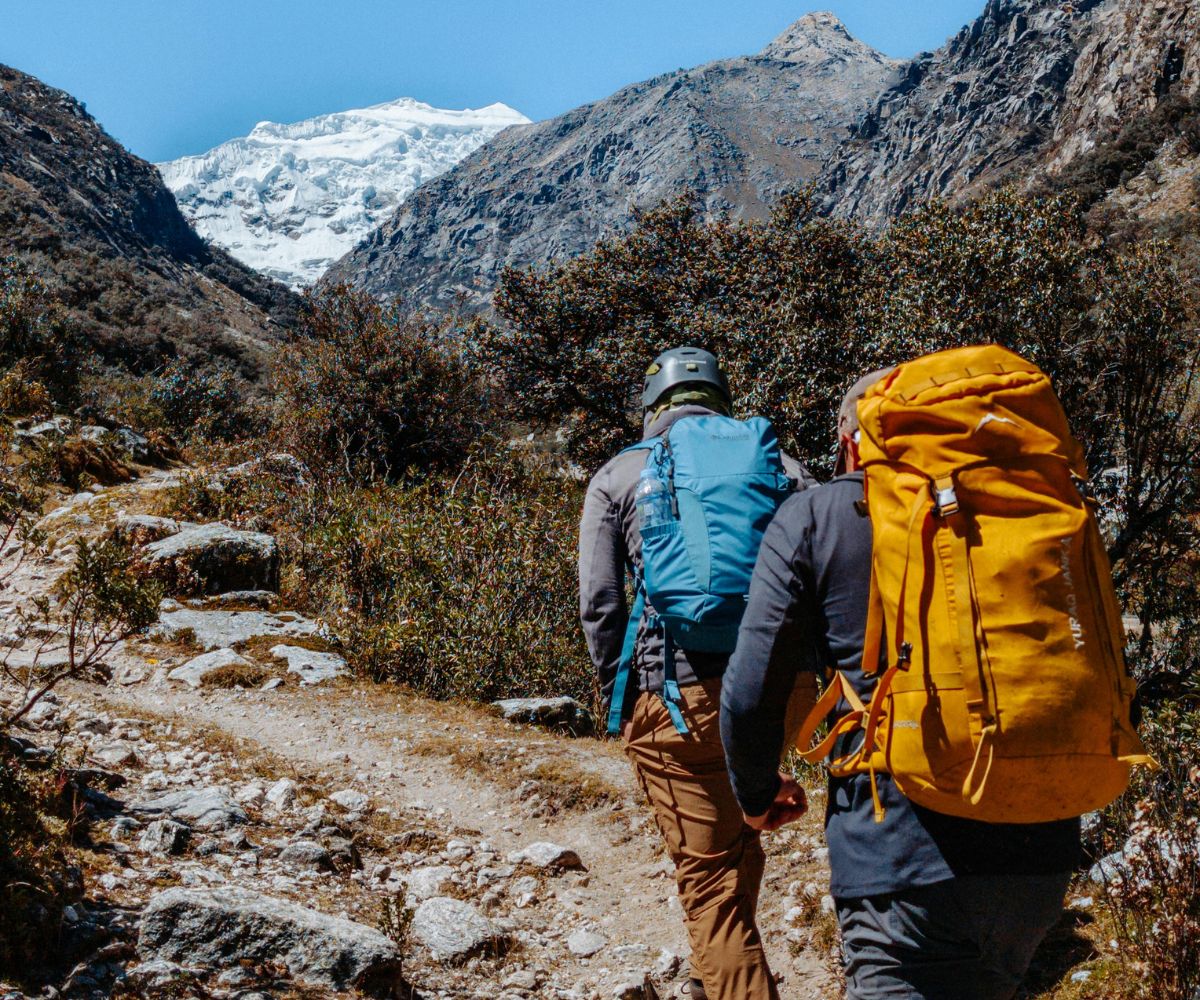
If you are a nature lover, then hiking is for you! Hiking is a fun adventure where people walk on natural trails to improve their overall physical and mental health. By following proper hiking safety tips, beginners and experienced hikers can enjoy trails confidently while avoiding injuries, dehydration, and other dangers.
In this blog, we will acknowledge the hiking safety tips. The safe hiking guide uses step by step instructions, clear examples and best practices that experts have verified. I have walked trails. So, I will share the tips that help beginner hikers and casual walkers walk in nature with confident steps.
Hiking Safety Tips
Hiking safety tips which helps to avoid being injured, dehydrated, lost, weather-related issues, and exhausted.
Hiking safety checklists are as follows:
– plan your hike before it starts.
– staying conscious on the trek.
– practice responsible and safe hiking.
As a hiker, I have learned that good planning and good decision-making help you enjoy hiking. Proper planning and good decision-making reduces unnecessary risks.
Why is Hiking Safety Important ?
In my experience, hiking safety measures matter. Hiking safety measures can change fast when the conditions of hiking shift. Weather, the trail, wildlife and the exhaustive conditions can all change hiking safety.
Various hiking safety measures to be observable:
– avoid injuries, slips, muscle strain.
– Do not be upset by heat and perspiration.
– Prepare against the change of weather.
– Manage crises in a positive and peaceful way.
– Hike with confidence peace of mind
– Have the pleasure of hiking and enjoy it.
Step-by-step Instructions for Safe Hiking Checklists
Plan your hike in advance
Safe hiking practices are important. So, always write the plan before starting. Before you go:
- Check trail length, elevation, and difficulty
- Read recent reviews for updates
- Save offline maps or GPS data
Planning stops the workouts that’re harder than my fitness level. I find that planning helps the workouts stay realistic. Planning also helps the workouts fit the time limits I have.
Monitor Weather conditions Carefully
You know, weather is the bigger risk while hiking. The weather is especially dangerous in the mountains and the forests.
Always do:
- Check forecast 24–48 hours before hiking
- Avoid trails during storms or extreme heat
I watch changing weather because it can turn a safe day into danger. I know my preparation is what keeps me safe when conditions shift. A good planning and alert for weather awareness gives safe and secure hiking.
Wear Suitable Hiking Gears
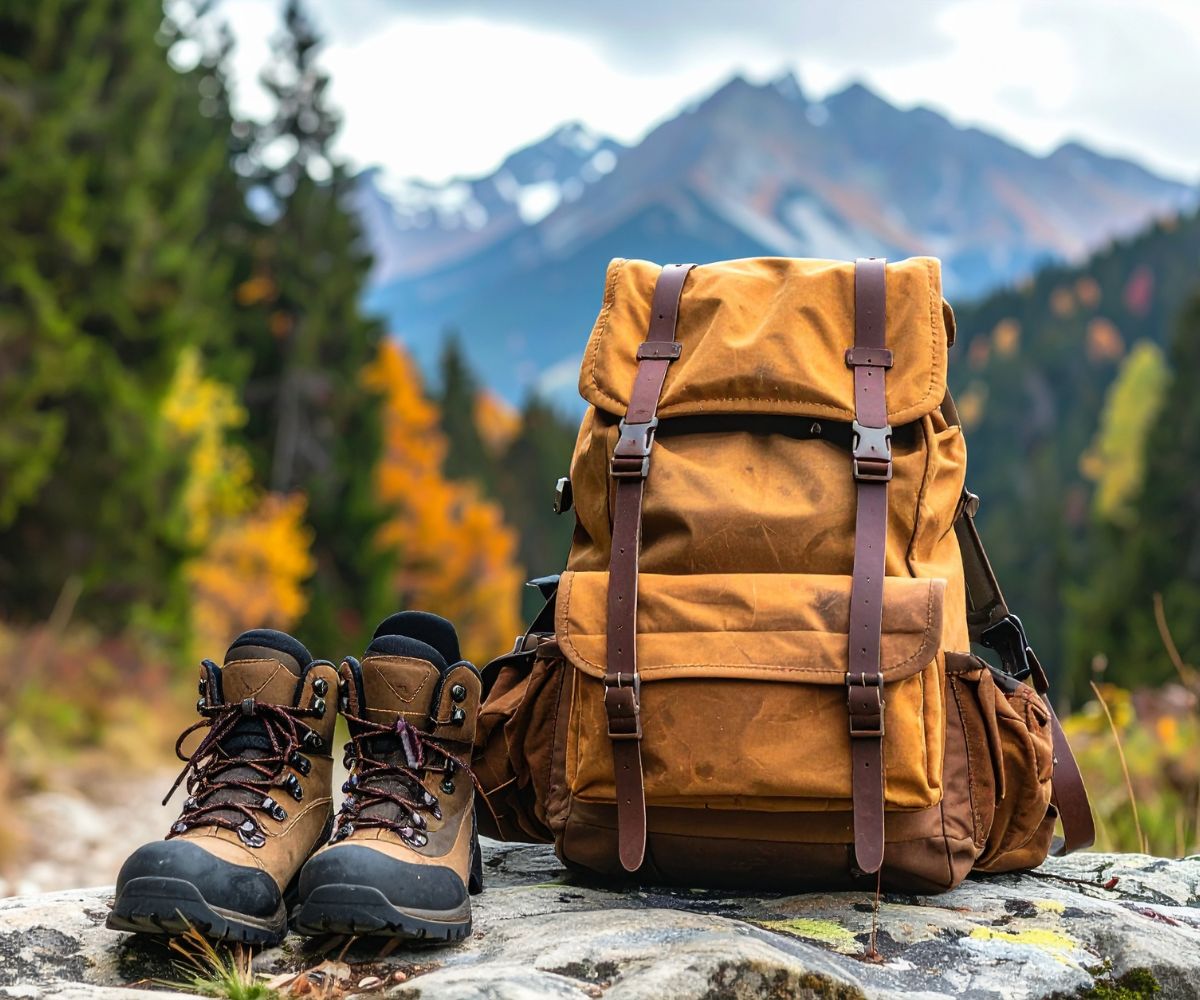
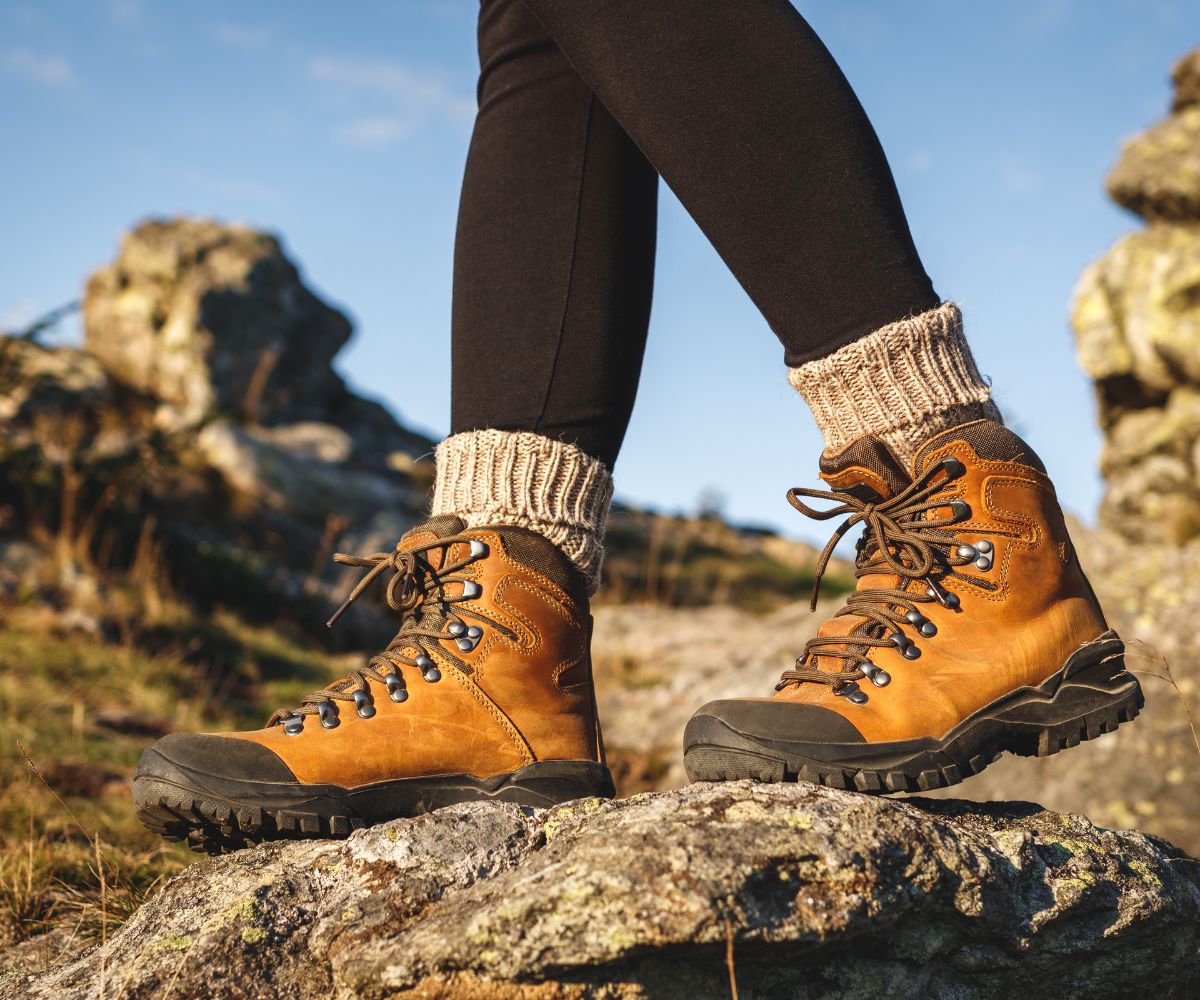
Hikers need to wear comfortable hiking gear together with their hiking shoes. As the gears reduce uncertainty about potential situations which might occur. The correct hiking gear protects us from sustaining injuries.
The items we bring for hiking include :
- Comfortable shoes with good traction
- Breathable clothing that wicks moisture
- Sun protection: hat, sunglasses, sunscreen
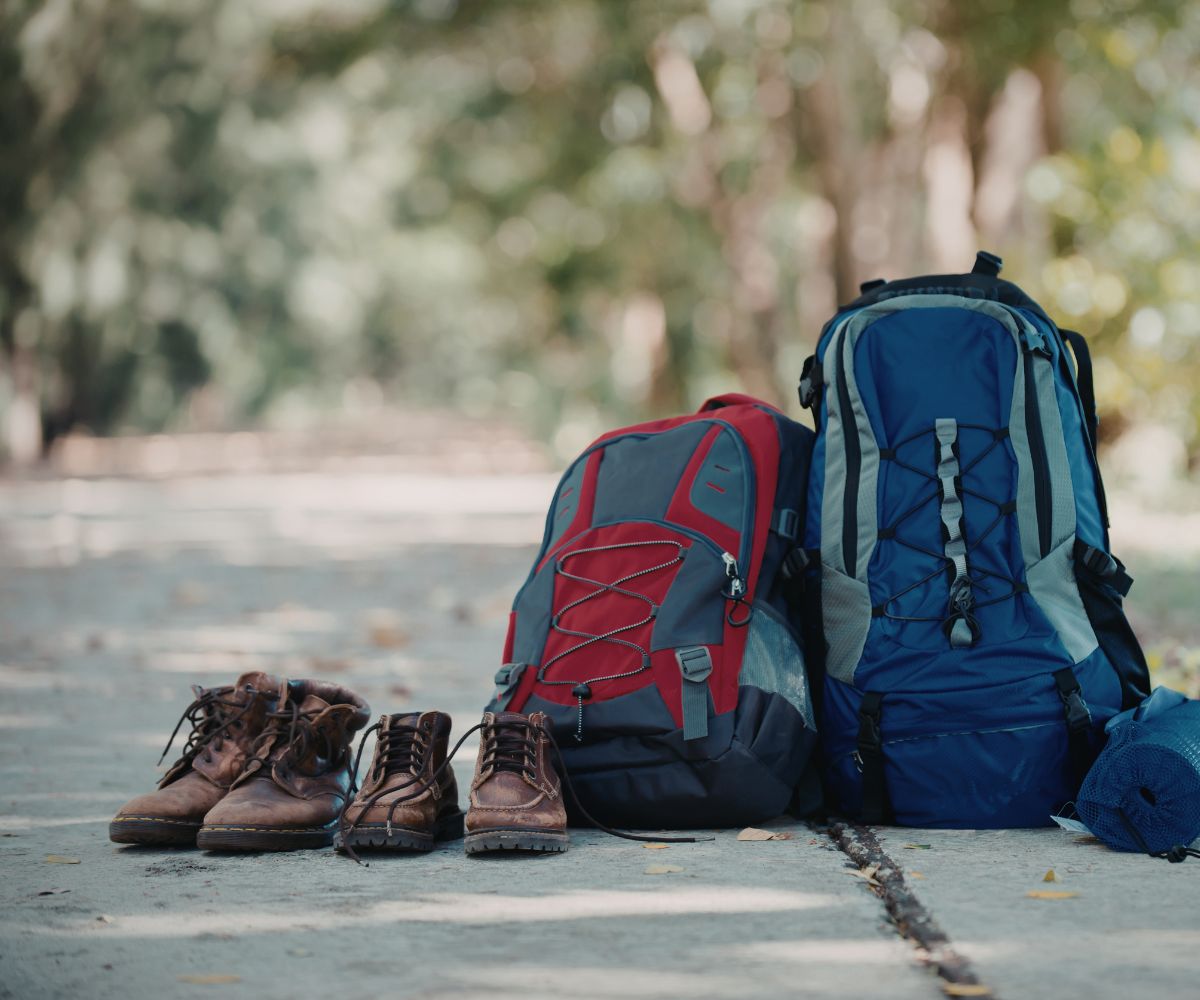
Beginners usually make the mistake of wearing the new shoes. It often leads to blisters and discomfort. Do you break in your boots before the hikes? I guess ‘No’.
Pack Essentials For Hiking
Always have these into your bag:
- Water, glucose packets, dry fruits, extra food
- Never underestimate hydration
- Extra food for longer or uncertain hiking
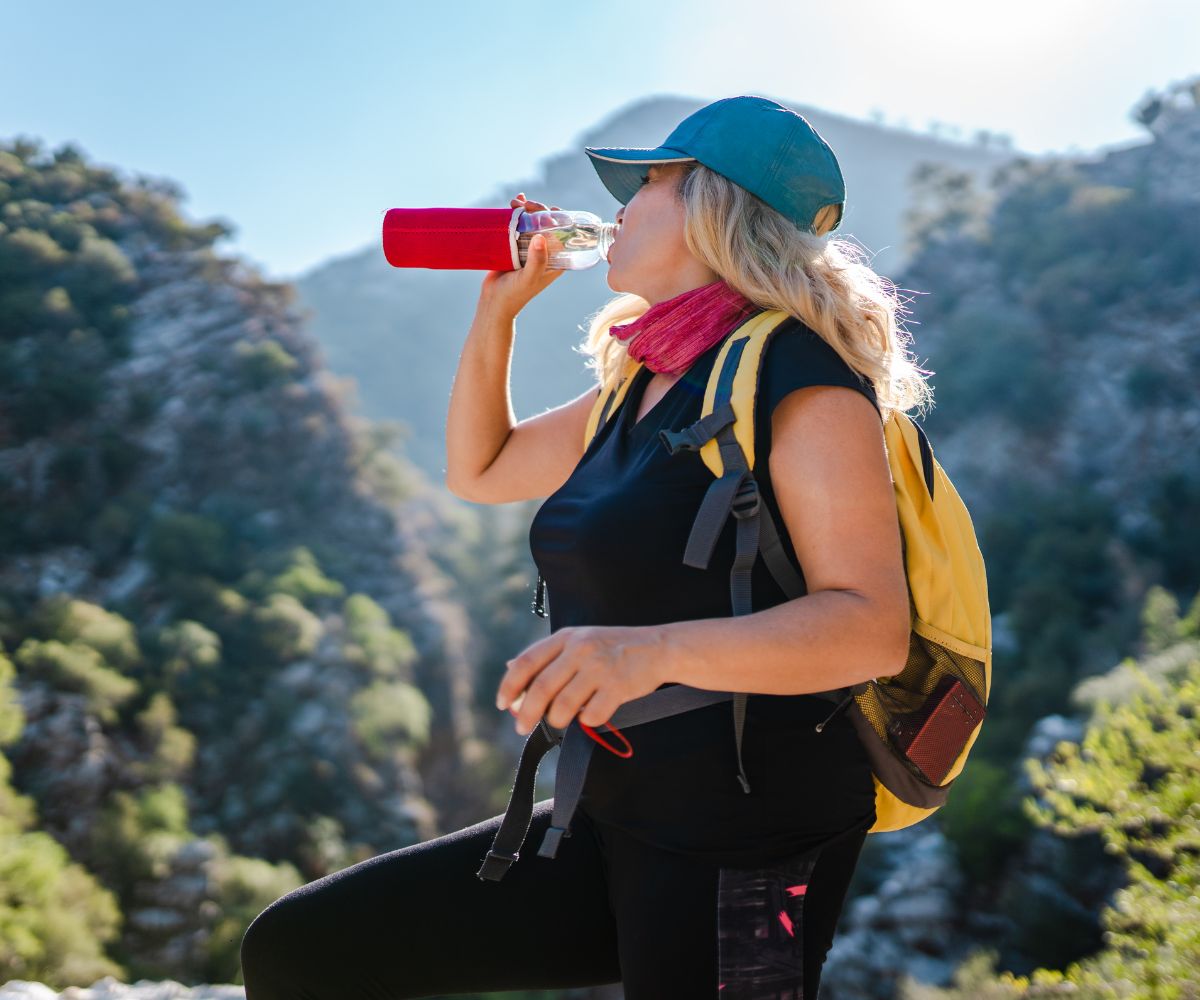
On one of my hikes the temperature rose fast. The temperature stopped me from finishing the trail because I did not have water. I learned never to underestimate hydration requirements.
Inform Someone About Your Hiking Plan
This little step is life-saving in an emergency.
Before you leave tell the person you trust about:
- Name of your location of hiking and the trail name
- Expected starting and returning time
- Emergency contact details
I know that when something goes wrong the information helps the rescuers. The information lets the rescuers act quickly.
Carry Necessary Hiking Safety items
Small safety items can make a huge difference in emergencies. I have personally seen how useful they become when situations change unexpectedly.
Basic hiking safety checklist:
- First aid kit
- Fully charged mobile phone
- Power bank
- Torch or headlamp
- Emergency whistle
I find that these light things become very valuable if things change unexpectedly. Light things can turn into value when the situation shifts.
Some Pros and Cons of Hiking: Safety Considerations
Pros:
- Hiking always helps to improve physical fitness and mental strength
- Hiking Safety benefits Develops a sense of confidence and endurance
- Encourages a closer relationship with nature
Cons:
- Hiking Risk of injury if unprepared
- Weather-related dangers
- Navigation and terrain challenges
With proper hiking safety tips, these risks can be minimized while maximizing enjoyment.
Common Hiking Safety Mistakes to Avoid
- Not carrying enough water
- Not checking weather reports
- Wearing uncomfortable or new footwear
- Hiking without proper training or preparation
People think people can hike without training.
I have watched the hikers learn protection from their mistakes. I have watched the hikers see that better safety leads to hiking experiences.
Frequently asked questions
Is hiking safe for beginners?
Absolutely! Beginners should follow hiking guidelines and all the general safety tips to have an enjoyable hike. Take your time and select a good hiking route by checking in with someone at home.
What are some additional hiking safety tips?
You should follow safety hiking measures when preparing and packing for your hike. If you properly hydrate, and pace yourself, your energy level will stay high.
Should hikers ever take a solo trip?
In my suggestion , this idea often gets a thumbs down for beginners. It will be risky if there is no one with you. Always hike in groups.
Conclusion
Hiking always gives you a sense of freedom .But with alert mode on. With these hiking safety tips, you can enjoy every trail confidently, minimize risks, and create memorable outdoor experiences. Remember: a safe hike is a successful hike!


Leave a Reply