Best Hiking Trails in the Rockies: Scenic Routes & Expert Tips
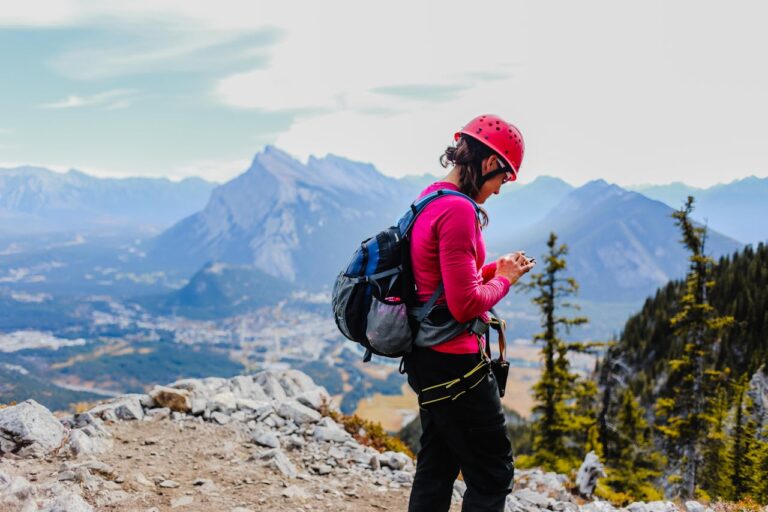
The best hiking trail in the Rockies is a premier mountain wilderness and is a major destination for hikers from around the world. It’s a fortunate opportunity to live through these Rocky Mountains hiking trails. You’ll have a chance to hike a number of the best hikes in the region with peaceful nature trails.
Just finished writing up a post listing the top hikes in the Rockies. There’s something for everyone – from easy day hikes for families with kids to longer backpacking trips for hardened trekkers and adventurers. Check out the scenic trails in the Rocky Mountains.
Scenic Hiking Experiences in the Rocky Mountains
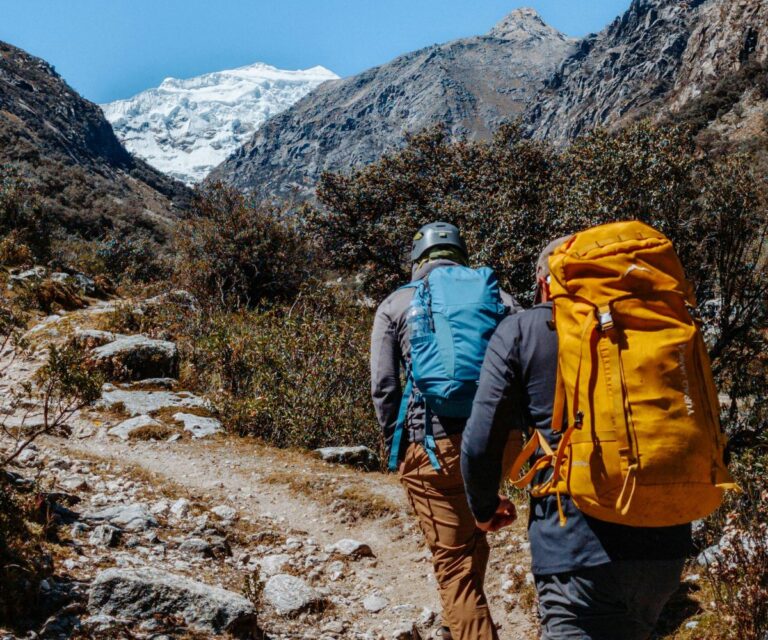
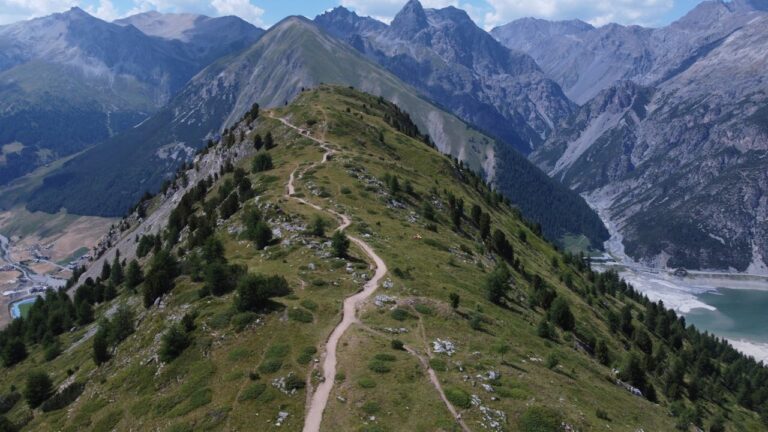
The beauty lies in the Rockies’ variety, from mirror-like lakes and breathtaking mountain views to the full diversity of alpine wilderness, with forests, lakes, and mountain peaks. Also, these Rockies are not far from the local public, so they are easily accessible to residents. Just imagine the scenic beauty of famous hiking trails in the Rockies that are all available for you.
In my experience, you will find a new aspect of life on these peaceful nature trails, where you can see nature’s beauty in one place.
Another one of the highlights of hiking in the Rockies is wildlife spotting. We’ll keep an eye out for elk, deer, and many types of birds in their natural habitat.
Top Hiking Trails in the Rocky Mountains
Bear Lake Trail (Beginner Friendly)
A short and easy loop, perfect for beginners and families. This trail offers stunning views of alpine lakes and surrounding peaks.
- Distance: ~0.8 miles
- Difficulty: Easy
Emerald Lake Trail (Moderate)
One of the most scenic hikes in the Rockies, passing through multiple lakes, including Nymph Lake and Dream Lake, before reaching Emerald Lake.
- Distance: ~3.2 miles round trip
- Elevation Gain: ~700 ft
Longs Peak Trail (Advanced)
A challenging high-altitude hike recommended only for experienced hikers. The summit stands at over 14,000 feet and requires proper preparation.
- Distance: ~14.5 miles
- Difficulty: Hard
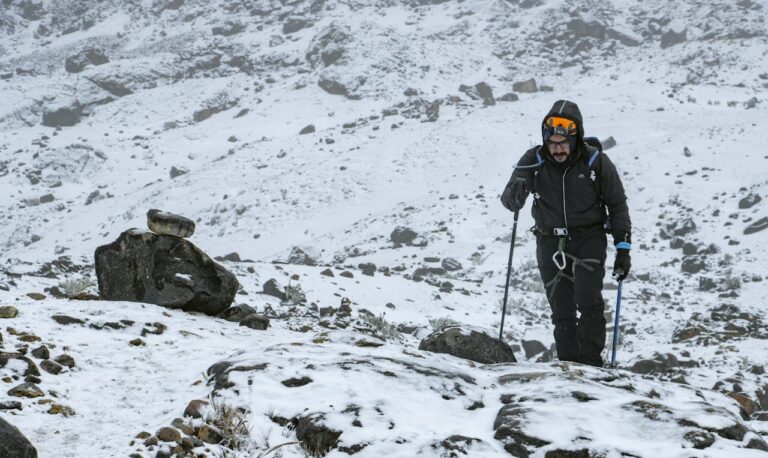
I personally explored the Bear Lake Trail in early summer, where patches of snow still covered parts of the path, making the hike both scenic and slightly challenging.
Hiking Difficulty & Trail Conditions in the Rockies
Snow in summer, muddy path, temperature difference. As daylight fades, loose rocks become harder to spot. If winds suddenly pick up, visibility drops near ridges. After rainfall, streams swell fast between peaks.
- Snow patches at higher altitudes
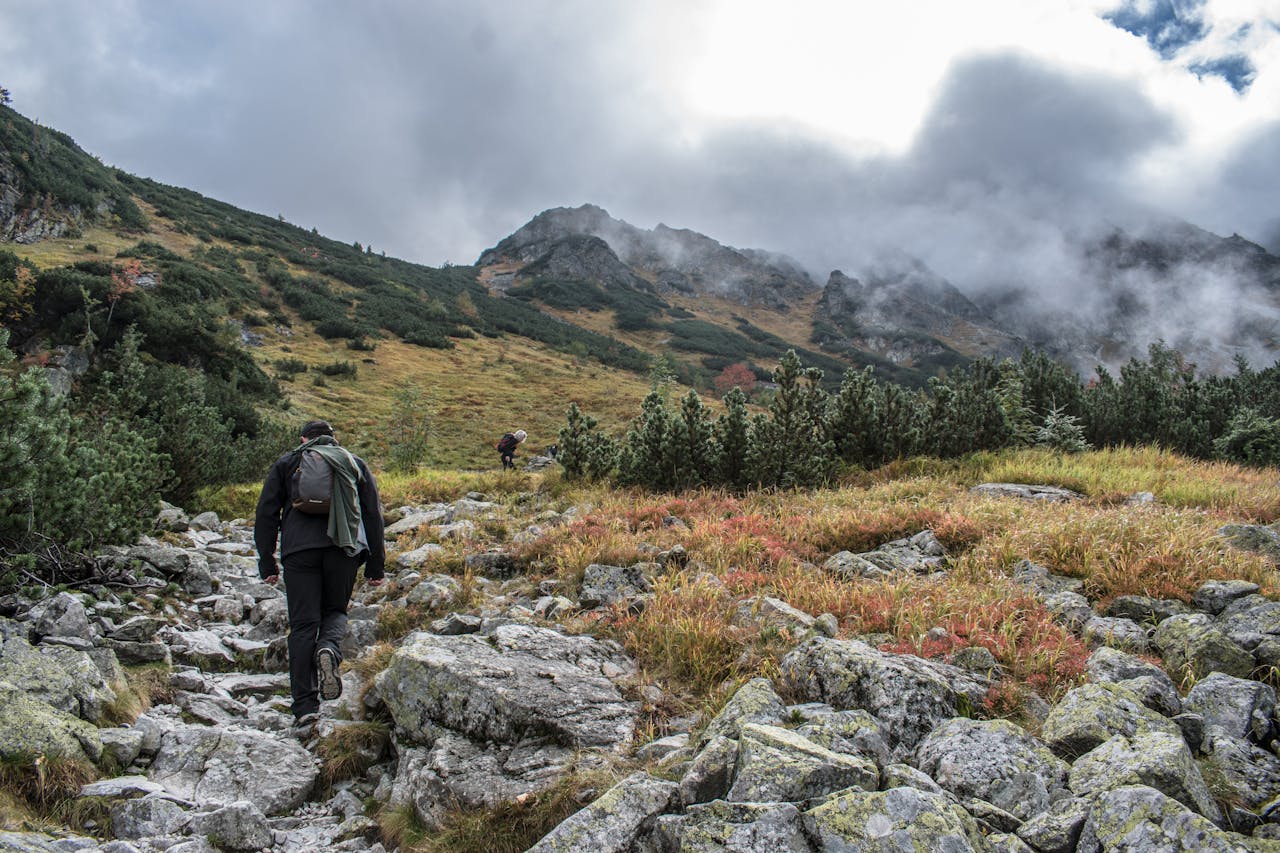
- Rocky and uneven paths
- Sudden weather changes
Wildlife You May Encounter
Out here, movement catches your attention – wildlife steps into view when silence settles. Dawn light brings elk more than once, hanging near edges where forest meets open sky. Not far off, deer freeze suddenly, heads up, as if measuring your presence. From boulder heaps, marmots shout down without fear, small bodies loud against stone. High above, eagles float on unseen rivers of wind, quiet until a cry splits the air.
HikeSphere Expert Tips
“In the Rockies, the right trail isn’t the hardest—it’s the one you’re prepared for.”At HikeSphere, we believe hiking in the Rockies is all about understanding terrain, altitude, and weather conditions. From our experience, hikers who match trail difficulty with their preparation enjoy safer and more rewarding journeys, while rushing into advanced trails often leads to fatigue and risk.
Also, Always check weather forecasts and trail conditions before heading out, as mountain weather in the Rockies can change rapidly.
Conclusion
For some, quiet lakes beat rugged peaks. The best hiking trail in the Rockies shifts with your taste, past trips, and even the season. Pick a route matching what you seek – each trail stamps the mind differently. Even gentle slopes here paint moments just as sharp. This land holds strong images for anyone who walks it.
Clear trails in the Rockies make timing your hike simpler. That said, when you decide to go, you can shift everything. Still, tiny choices often steer the outcome more than expected. Ready or not, being prepared makes staying safe feel natural. Even so, some instances remain – when the wild takes charge. Not loud, but a hush on foot can carve recollections deep.
FAQs
Which one is the best hiking trail in the Rockies for beginners?
Go for comfort and short-length trails, Bear Lake Trail. Instead of sharp climbs, the route glides over level terrain. A few obstacles pop up, which make many feel at ease walking here. Ending here feels natural, not forced by effort.
Best Times to Hike the Rocky Mountains?
Come May, melting snow reveals pathways that simplify hiking. Thanks to gentler weather, trails stay passable until September rolls in. More sunlight shows up across these months, which keeps surfaces less slippery underfoot. Early autumn holds firm with steady conditions, allowing extended walks minus sharp chills.
What awareness should be considered in the trails of the Rocky Mountains?
Planning and preparation are the keys to keeping yourself out of trouble on the trails. Prepare yourself for the weather conditions of your destinations, list out the favorable path to travel.
What are the carrying essentials that should be packed before going hiking in the Rockies?
A little backpack can carry water, maybe a snack or two – just enough if needed. Footwear works best when it stays comfortable, never pinching or sliding around.
In trials, keep yourself hydrated and energized, for this carry ample amounts of water and energy snacks with bandages and proper footwear. Clouds shift quicker than expected; layers help whether skies pour down or burn bright.
Wildlife Seen While Hiking the Rocky Mountains?
Yes, you can see a variety of trees, elk, grass-chewers, and wildlife like deer and birds. Give each creature room, though. Their wildness depends on distance.
Related Post –
How to Prepare for a Hiking Trip
How to Choose the Right Hiking Boots for Any Terrain
Best Ultralight Gear for Hiking Trips
Rajat Pathania is a hiking enthusiast who studies trails, hiking safety, and outdoor preparation. He shares practical insights based on field experience, gear testing, and research about trekking conditions. His work focuses on helping hikers understand trail planning, safety practices, and essential hiking skills for better outdoor trips.