Altitude Sickness Hiking Guide: Symptoms, Causes & Safety Tips
If you are planning to go on a mountain adventure, understanding altitude sickness hiking is essential before starting a mountain journey. This becomes necessary from a safety point of view.
In the mountains the oxygen levels are much lower than at sea level. The human body is not able to adjust to these reduced oxygen levels, this causes altitude sickness as the body is not able to adapt fast.
As you set out to have an exciting mountain climbing experience, you need to know the causes of altitude sickness, its symptoms and coping strategies.
Altitude Sickness Hiking: Why Awareness Is Important
Altitude is one of the biggest challenges for trekkers in the mountains. And in this condition the proper pace could be your friend, maintaining a steady pace makes it easier to manage altitude sickness. Maintaining a steady pace becomes essential because with the increase in height your normal body functions become tougher.
Initially you don’t pay attention to early altitude sickness symptoms because of high adrenaline, which further leads to severe issues. Your headaches, nausea, dizziness, as on the trekking, and to be conscious of the conditions you are going to experience in the real world.
In my experience , altitude side-effects are not considered by most trekkers and this may lead to severe problems further into the trek.
Also read – Top Volcanic Hiking Routes in the World
Common Causes of Altitude Sickness
These causes of altitude sickness are not the same for all; they vary person to person, as every human body has different levels of adaptability to the environment. Do not climb the mountains with extra speed in the race to reach faster, it will reduce oxygen efficiency in your body and reduce your strength and make climbing more difficult.
Which further will lead to dehydration and overexertion and in the long run you may face poor sleep and fatigue.
In my experience, short breaks and not rushing during hikes can substantially help avoid the risk of symptom development.
Early Recognition of Altitude Sickness Symptoms
Early detection of altitude sickness symptoms can prevent severe health risks. Symptoms usually begin above 2500 meters and common signs include:
- Headache
- Nausea or vomiting
- Fatigue and dizziness
- Shortness of breath
You should descend immediately if symptoms worsen and should never be overlooked at high altitudes.
You can take corrective action early enough so the condition doesn’t become serious.
Also read – Best Hiking Trails in New Zealand
Effective Altitude Sickness Remedies
There are several effective altitude sickness remedies that can be used to ensure that you are safe during your trek. The most important thing according to trekking safety guidelines is to have a slow ascent in order to ensure that your body gets used to it.
Keep hydrated, have light meals and stay away from alcohol. Proper rest days during trekking are good since it gives your body time to rest and get used to different altitudes.
It also helps to carry prescribed medication, just in case and maintain a slow pace. From what I have seen, prevention always works better than dealing with symptoms later.
Best Practices for Mountain Hiking
The most effective best practices for mountain hiking can significantly improve your safety in terms of high-altitude risks:
- Climb up gradually and steadily
- Take acclimatization breaks
- Keep hydrated and eat well
- Avoid overexertion
- Listen to your body
These are basic yet useful tips that will make the trekking experience much safer and more enjoyable.
HikeSphere Expert Advice
“Climb high, but listen to your body.”
Ascend slowly to allow proper acclimatization and reduce altitude sickness risk. Stay hydrated, eat light meals, and avoid alcohol. Pay attention to early symptoms like headache or dizziness, and never ignore them. Take regular breaks and don’t push beyond your limits. If symptoms worsen, descend immediately—safety always comes before reaching the summit.
Conclusion
To manage altitude sickness hiking, one needs to be aware, prepare, and make wise decisions. You can reduce risks and enjoy your trek safely by knowing the symptoms, adhering to proper acclimatization methods and practices, and applying effective remedies.
Even at the summit they put their health above. A journey will always be pleasant when it is safe rather than when it is dangerous. Planning, listening to your body and taking pleasure in every step of your journey are all good tips.
FAQs
What is hiking altitude sickness?
Altitude sickness is a complication that occurs because of a lack of oxygen in the high altitudes leading to headache, nausea and fatigue.
What are the common symptoms of altitude sickness?
Symptoms are headache, dizziness, nausea, shortness of breath and fatigue. Severe symptoms require immediate downwardness.
What are the main causes of altitude sickness?
Mostly, it is due to sudden ascending, dehydration, and insufficient acclimatization.
What are the good altitude sickness remedies?
Significant solutions include slow growth, drinking, rest days, and nutrition. When things are too extreme, there is no other way but to go down.
What are the best mountain hiking practices?
Climb slowly, then have a break, keep hydrated, eat properly and monitor yourself to avoid altitude sickness.
Also read – Best Hiking Trails in the Rockies
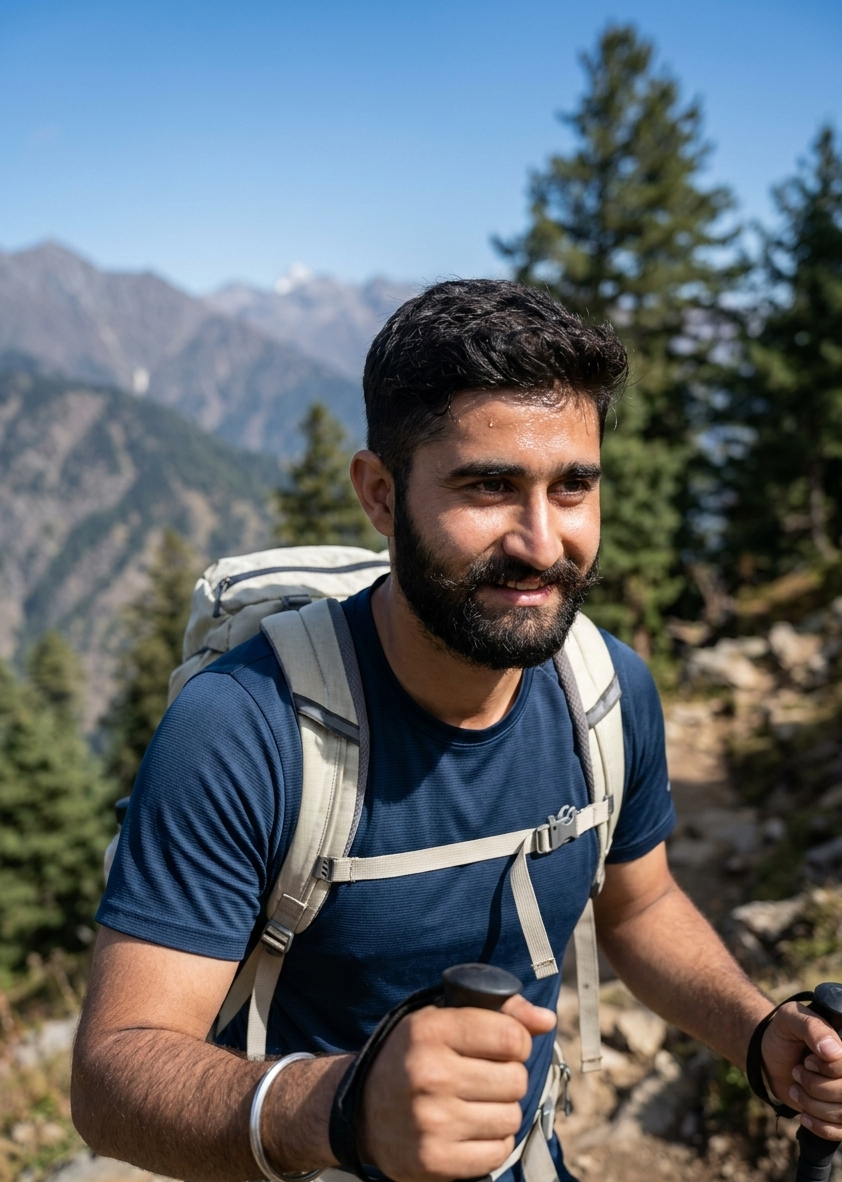
Rajat Pathania is a hiking enthusiast who studies trails, hiking safety, and outdoor preparation. He shares practical insights based on field experience, gear testing, and research about trekking conditions. His work focuses on helping hikers understand trail planning, safety practices, and essential hiking skills for better outdoor trips.