How Many Miles Should a Beginner Hike?
There is nothing more exciting than planning your first hiking trip. However, there is an issue that many beginners wonder about. Then, how many miles should a beginner hike?
How many miles you should hike depends on your fitness level, the elevation of the trail you choose, the type of terrain you’re hiking on, the weather, and how much time you have. Some beginners are happy hiking a mile; however, if you’d like to try a shorter hike, you can. The aim is to start with a distance and help you gain confidence.
What Distance Is Suitable for a Beginner?
For people who are just starting out with this activity, a trip that goes two to four miles and then comes back is a place to begin on easy paths. If you already know how to walk and feel confident, you might be ready for a path.
 Also readHow to Avoid Common Hiking Mistakes : A Beginner’s Guide to Safer, Smarter TrailsRead now →
If you are completely new to exercising or don’t have much experience walking, starting with one to two miles might be better. A first hike should be challenging enough to keep you interested. Not so hard that you have trouble finishing it safely.
Make sure to find out if the distance listed for a trail is, for one way or the whole trip. A four-mile one way trip means you will need to walk eight miles in total.
1. Assess Your Current State of Fitness
Your routine motion patterns aid in defining your hiking strategy.
If You Have Just Begun Working Out
Start with an easy trail measuring approximately 1 to 2 miles. Choose a route offering slopes, clear paths, and opportunities to rest.
 Also read15 Tips On How To Keep Your Feet Warm While Hiking In WinterRead now →
If You Walk Regularly
A journey covering 2 to 4 miles could act as a starting point depending on pace and scenery.
If You Keep High Energy Levels
You may feel prepared for a stroll, yet avoid overlooking sharp slopes, uneven ground, or heavy loads.
The best walking span for newcomers includes what you can complete simply while saving energy for returning home. If the path requires coming back, measure the total length prior to guessing your end time.
Also read – How to Choose the Right Hiking Boots
 Also readHow Long Does It Take To Hike 5 Miles?Read now →
2. Pick a Simple Path for Your Initial Walk
Simple walking tracks for novices typically feature clear roads, manageable height shifts, and solid data regarding span and challenge level.
Search for tracks that include:
Defined courses.
Mild altitude variations.
Easily reached entry zones.
Fresh reports on track state.
Secure spots to turn around safely.
Stay away from hard tracks until you possess greater skill. Where feasible, walk alongside another person, particularly while checking out a strange zone.
Also read – How to Plan a Hiking Route With Elevation Changes?
3. Methods to Grow Walking Range Slowly
You lack the necessity to travel far on your initial trip. Growing stamina step by step serves as a useful method to ready yourself for extended walks.
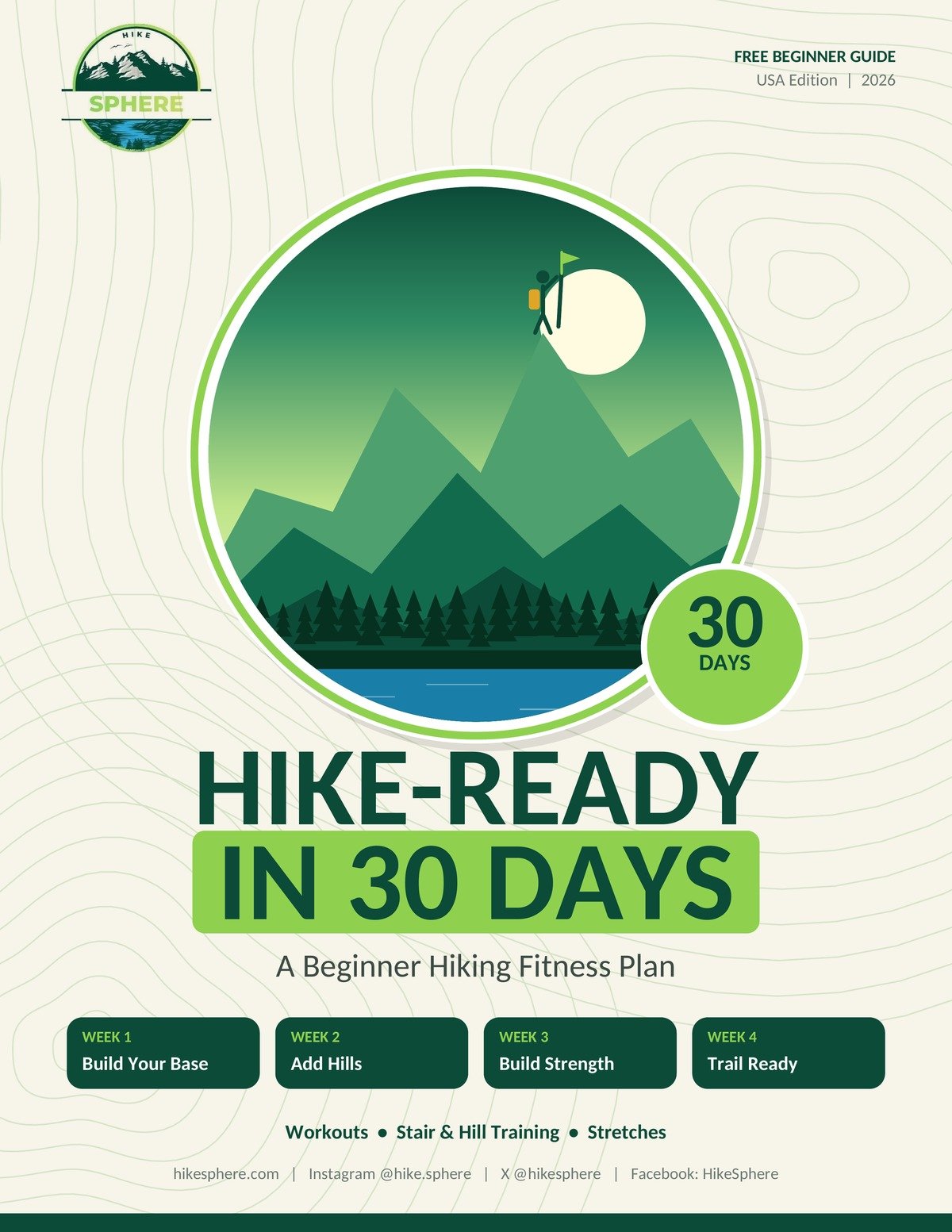
Attempt this sequence, modifying it based on your ease and physical shape:
Week 1: Begin Tiny
Stroll or trek 1 to 2 miles across soft ground. Concentrate on shoes, rhythm, and resting whenever required.
Week 2: Include Some Extra Length
Should your early trips seem workable, attempt a 2- to 3-mile course. Watch closely how your limbs and soles respond.
Week 3: Exercise Soft Slopes
Select an extended path or one showing mild height rise. Avoid raising both range and hardness sharply right now.
Week 4: Create Sureness
Think about a 3- to 4-mile walk if earlier trips feel pleasant. Maintain the course fitting for your health and the weather.
This acts as a sample, not a limit. Begin with initial sessions, then gradually increase duration as endurance develops.
You might also integrate strength moves including step-ups, squats, calf raises, and mild stair ascent. Such actions help build the leg power and steadiness required for paths.
Recovery and rest hold value as well. Put on hiking footwear, remain hydrated, and consume sufficient food to fuel your exertion.
Also read – What Is the Best Hiking Trail in the Rockies?
4. Items To Bring On Your Initial Walk
Even brief outings need readiness. Take water, treats, a powered device, a guide or dependable navigation system, clothes suited to the climate, and a minor medical supply box.
On distant tracks, bring extra emergency gear and inform another person regarding location and anticipated return time.
Review predictions and path details prior to departure. Reverse course if safety wavers or the trek seems past your capacity.
Also read – Most Durable Hiking Boots How to Choose
Conclusion
Thus, what miles suit a novice hiker? For individuals, 2 to 4 miles total on simple ground is a reasonable starting point, though 1 to 2 miles could work best if new to consistent walking.
Select a path based on the condition, landscape, and free time. Grow range slowly, plan ahead, and allow yourself the choice to retreat when needed. Walking is no contest; gaining assurance and savoring travel outweighs logging kilometers.
FAQs
1. Does 5 miles seem long for one new person?
Ans – Not always. This relies on shape, height gain, and surface state. Begin briefer if uncertain about capabilities.
2. How far should a novice trek for a single day?
Ans -A lot of novices might begin with a 2- to 4-mile trip on flat ground and gradually build up over time.
3. How frequently ought novices attempt hiking?
Ans – One time per week could serve as a launch pad, alongside regular walking and adequate rest periods.
4. What defines a trekking speed, for those just starting?
Ans – Movement at a rate that lets you inhale nicely and pause whenever required by circumstances.
5. In what way may I get ready for my walk?
Ans – Pick a path, review the conditions, put on good shoes, bring liquid and bites, and map your coming back route.
Rajat Pathania is a hiking enthusiast who studies trails, hiking safety, and outdoor preparation. He shares practical insights based on field experience, gear testing, and research about trekking conditions. His work focuses on helping hikers understand trail planning, safety practices, and essential hiking skills for better outdoor trips.