15 Tips On How To Keep Your Feet Warm While Hiking In Winter
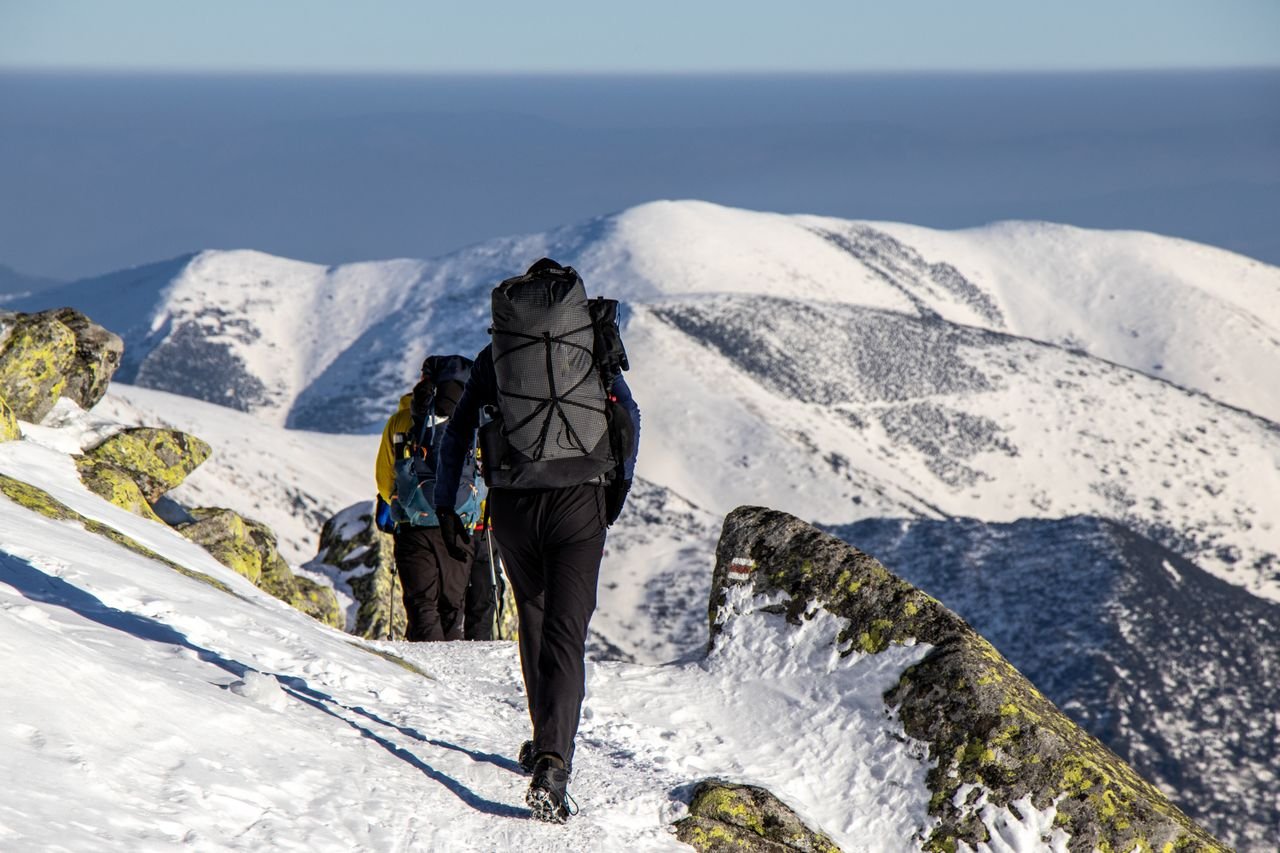
Hiking in the winter can be a wonderful experience. However keeping your feet warm can be a challenge. Knowing how to keep your feet warm while hiking will help ensure you’re comfortable, mobile and can fully enjoy your walk.
By using the correct hiking socks, footwear and keeping your feet dry, along with preparing properly will help keep your feet warm. Whether you are going on a cold walk or frequently hike in winter, here are some tips to help keep your feet warm.
15 Easy Tips to Keep Your Feet Warm and Comfortable on Winter Hikes
1. Pick the Right Socks
When preparing for hiking in the winter season, socks are an important thing to consider. Cotton socks are known for their inability to absorb sweat. Also, they take a long time to dry.
 Also readHow to Avoid Common Hiking Mistakes : A Beginner’s Guide to Safer, Smarter TrailsRead now →
Pick Merino Wool Socks
Merino Wool socks are ideal for they help regulate temperature, help stay dry, and eliminate odor. The weight of the socks is supposed to depend on the weather and the footwear.
Select socks that are comfortable and prevent any bulges.
2. Select Proper Winter Hiking Shoes
The shoes are vital for keeping your feet warm as they shield them from cold ground, snow, winds, and moisture. They must have the ability to insulate, provide enough traction, and be spacious for your toes.
 Also readHow Long Does It Take To Hike 5 Miles?Read now →
It is recommended to pick winter hiking shoes in case the paths are going to be wet, slushy or snowy. But if your shoes are waterproof, then you may feel uncomfortable owing to the sweating.
Also read – How to Choose the Right Hiking Boots
3. Avoid Over-Tight Socks
It may seem like a good idea to wear double socks but they may cause your feet to feel cold. Thick socks or multiple socks may cause your feet to feel squashed in your boots.
Choose one good quality pair of winter hiking socks. If you want to wear multiple layers then ensure your boots have room.
 Also readHow Many Miles Should a Beginner Hike?Read now →
4. Keep Your Feet Dry
Your feet will lose heat quicker than if they were dry. Sweating, melting snow, rain and water in your boots can cause your feet to get wet.
Here are some tips to help keep your footwear dry whilst hiking in the winter:
- Use moisture wicking socks.
- Use boots.
- Avoid walking through water or snow.
- Pack spare dry socks.
- Change your socks during breaks.
This is one way to avoid getting cold feet.
Also read – How to Plan a Hiking Route With Elevation Changes?
5. Choose The Right Insoles
The ground can cause your feet to lose heat. Using insulated or thermal insoles can add an extra layer of protection. Ensure you use insoles designed for different weather conditions and do not make your boots too tight.
Ensure your toes can still move freely.
6. Keep Moving Your Toes
Keeping your feet moving will help keep your blood flowing which will keep them warm. Try wiggling your toes and moving your ankles during breaks.
If your feet start to get cold whilst walking try keeping moving at a steady pace (if the path is safe and you are fit enough). However, do not sit down for too long in freezing temperatures. However if you start to feel numb or any unusual pain then this could be a sign of an injury.
Also read – What Is the Best Hiking Trail in the Rockies?
7. Use Gaiters
Gaiters will help to cover the area between your boots and trousers. This will help keep snow, water and debris out of your footwear.
These are great to use when hiking through snow or wet vegetation. They are not a replacement for boots or the correct socks but will keep your feet dry.
8. Pack Extra Socks And Emergency Kit
Having a spare pair of hiking socks can be really useful if your feet get wet.
Place them in a bag inside your rucksack. When hiking in the winter ensure you pack extra layers, food, water, navigation and emergency kit depending on the path and weather forecast.
Prepare properly.
9. Use Hand And Foot Warmers
Disposable foot warmers can be used to help keep your feet warm in extremely cold conditions. Follow instructions from the manufacturer. Ensure they are suitable to go inside your footwear.
Avoid putting them directly on your skin. Tight footwear can increase the risk of burns as you won’t be able to feel the heat as much. Never use warmers instead of boots, dry socks or safe practices when hiking in the winter.
10. Check The Weather
Before setting off, check what the weather is like. Will it be windy? What is the wind chill? Will there be any rain? How will the path be? Temperatures can change quickly at higher altitudes.
Wear layers so you can easily adjust your clothing. Avoid getting your feet sweaty before starting your hike. Ensure your boots and socks are suitable for the conditions.
11. Know The Signs Of Cold Injury
If you are getting uncomfortable then if you start to feel numbness, pale/waxy skin, abnormal stiffness/numbness in your feet then you may be suffering from frostbite. Find somewhere to get out of the cold and seek medical attention.
Do not rub the part of the body and do not expose it to high direct heat. If you think you have frostbite seek medical attention.
12. Set Up A Simple Routine For Your Footwear
Before heading out make sure your socks, boots, insoles and gaiters are all fitting and dry.
During your hike make sure your feet are kept dry and change your socks. After your hike make sure your footwear is completely dry. Check your feet for blisters or sore spots.
13. Waterproof Socks
Hiking socks are great at keeping your feet dry whilst hiking in wet or snowy conditions. They can help you stay dry whilst walking through wet vegetation or in wet and cold weather.
Try getting some breathable socks that will fit in your boots comfortably. Avoid tight fitting shoes as these will reduce circulation and make your feet feel colder.
Also read – Most Durable Hiking Boots How to Choose
14. Keep Feet Moving On Breaks
Whilst hiking in winter, try keeping your toes and ankles moving whilst you take a break. If you can find somewhere sheltered to take a break that will help to avoid catching any cold wind.
If your socks get damp, swap them for a pair that are dry. This will help keep your feet comfortable on your hike.
15. Dry Hiking Boots After Each Hike
After each hike, dry your winter hiking boots so that they don’t leave your feet feeling cold. Take the insoles out and undo your laces to speed up the drying process.
Leave your boots to air dry in a well ventilated area. Don’t put them anywhere near direct heat or radiators. Ensure you completely dry them before your next winter hiking adventure.
Conclusion
Keeping your feet warm whilst hiking in the winter is easy. Wear the right winter socks, the right size boots, keep your feet dry, make sure you have proper insulation and plan ahead. Wearing merino wool socks, thermal insoles and gaiters can help protect your feet.
Plan ahead, be mindful of the changing weather and never ignore any numbness. By following this method you can have a more comfortable hike in the winter.
Also read – Best Hiking Trails in Canada
FAQs
1. What socks should I wear in the cold?
Ans – Merino wool or moisture wicking synthetic socks. Choose a thickness that fits your boots.
2. How can I keep my toes warm?
Ans – Wear well fitting boots, dry socks and correct insulation. Avoid tight footwear.
3. Do I need boots?
Ans – They can be useful in snowy or slushy conditions. However, ensure they are breathable and fit.
4. Should I wear double socks?
Ans – Only if your boots have room. Usually one pair of the correct socks will be better.
5. What should I do if my feet go numb?
Ans – Get out of the cold. If you are constantly feeling numb or any changes to your skin then this could be a sign of an injury and you should get urgent medical assistance.

Rajat Pathania is a hiking enthusiast who studies trails, hiking safety, and outdoor preparation. He shares practical insights based on field experience, gear testing, and research about trekking conditions. His work focuses on helping hikers understand trail planning, safety practices, and essential hiking skills for better outdoor trips.