How to Avoid Common Hiking Mistakes : A Beginner’s Guide to Safer, Smarter Trails
Have you ever returned from a hike with sunburn, run out of water, or walked farther than planned? These are some common problems hikers face, especially beginners.
Learning how to avoid common hiking mistakes can make your trip safer and more enjoyable. With proper planning and a few simple precautions, you can stay prepared and enjoy your hiking adventure without unnecessary trouble.
This guide breaks down those mistakes by category, with what to do instead to avoid those while hiking.
 Also readBest Ultralight Gear for Hiking TripsRead now →
Why Do the Same Mistakes Keep Happening?
Most trouble on the trail isn’t bad luck; it is a short list of beginner hiking mistakes repeating themselves over and over:
- Bringing the wrong gear for the actual conditions
- Skipping a real plan
- Not expecting what the terrain or weather can do
In my experience, the hikers who struggle most are not unfit; they are just underprepared for a trail that turned out to be nothing like they had pictured.
Misjudging What a Route Actually Involves
A route description that says “moderate” doesn’t mean much on its own. Underestimating trail difficulty is one of the most common ways a hike goes wrong. Before you commit, check:
- Elevation gain, not just total distance
- Recent trip reports from other hikers
- Trail surface — loose rock, mud, or exposed sections
- Your own fitness, assessed honestly rather than optimistically
Also read – What Are the Top Jungle Hiking Trails?
 Also read10 Essential Hiking Gear List You Must CarryRead now →
Packing Right and Avoiding the Two Extremes
Packing mistakes usually fall into one of two categories:
- Showing up with almost nothing useful
- Swinging hard the other way into overpacking, cramming in gear “just in case” until your shoulders give out by mile two
A short, honest list is here :
- The hiking essentials — water, food, layers, and a way to navigate
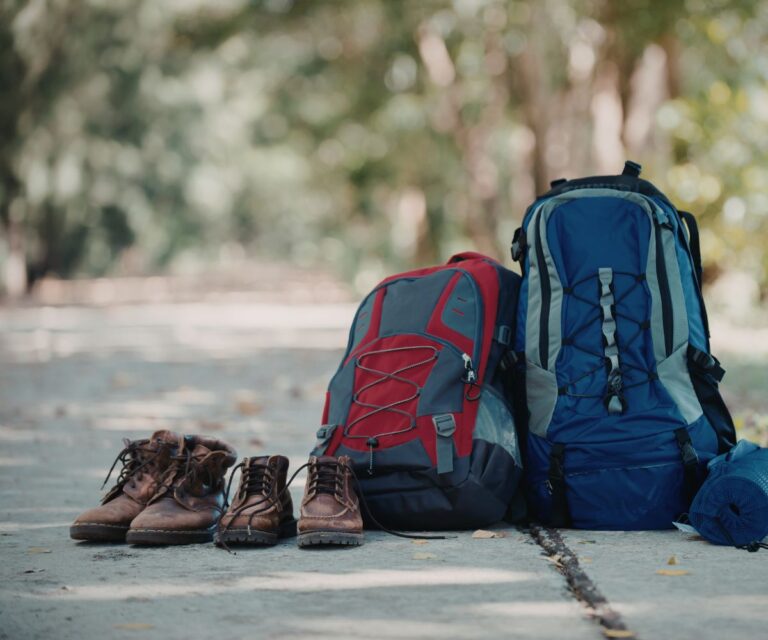
- A properly sized hiking backpack that fits your torso, not just your budget
- Nothing you can’t explain a real use for
Footwear and Clothing Mistakes
Blisters and rolled ankles are almost always a gear problem, not a fitness one; keep the following in mind:
- Skipping proper hiking footwear in favor of whatever’s already comfortable is a fast way to cut a hike short
- Pairing that with the wrong hiking clothing — cotton that stays soaked, no layer for wind — turns a mild afternoon miserable fast.
Also read – How to Plan a Hiking Route With Elevation Changes
 Also readEco-Friendly Hiking Gear: Smart Choices for Sustainable AdventuresRead now →
Hydration and Nutrition Mistakes on the Trail
- Poor hydration while hiking sneaks up on people because thirst lags well behind actual water loss, especially once you’re gaining elevation
- Don’t overlook hiking nutrition either — running low on calories a few miles from the car is a surprisingly common reason easy hikes turn into slow, miserable ones.
In my experience, the hikers who bring enough food are always the ones who finish strongest.
Getting Caught Out by Bad Conditions
Skipping weather preparation catches out even people who’ve hiked for years:
- Conditions at the trailhead can look nothing like conditions on an exposed ridge an hour later
- Check the forecast for the highest point on your route, not just where you parked
- Pack for the worst realistic scenario rather than the best one
Also read – What Is the Best Hiking Trail in the Rockies?
Losing the Trail When Things Go Sideways
Navigation mistakes are behind a large share of search-and-rescue calls every year:
- Relying only on a phone, with no downloaded map and no paper backup, is a risk that’s easy to avoid and expensive to ignore
- Real trail safety starts with knowing exactly where you are and how to get back, even if your battery dies or the signal disappears
Skipping Emergency Preparation
Outdoor safety starts before you ever leave the driveway:
- A packed first aid kit takes up almost no space
- A bit of emergency hiking gear — a whistle, a headlamp, a lightweight emergency blanket — matters enormously the one time something actually goes wrong.
Two Sides of Getting Ready
Hiking preparation – the physical side:
- Training your body for the terrain and elevation ahead
- Breaking in boots and testing gear before trip day
- Packing based on the actual forecast, not a guess
Hiking planning – the logistical side:
- Choosing a route that matches your group’s slowest member
- Telling someone outside the group where you’re going and when you’ll be back
- Setting a hard turnaround time and actually sticking to it
Build a Checklist and Stick to It
Once the basics are covered, the easiest way to avoid repeating any of this:
- Run through a written hiking checklist before every single trip, no matter how familiar the trail feels
- Pair that habit with safe hiking practices in general – starting early, staying within your fitness level, turning back when conditions call for it.
- Do this consistently and hiking safety stops being something you have to think hard about every time.
Conclusion
Learning how to avoid common hiking mistakes really comes down to a few habits: the right gear for the actual conditions rather than just what’s convenient, a real plan shared with someone outside your group, honesty about your own limits and fitness level, and respect for what the trail and weather can throw at you. Keep these hiking tips for beginners in mind, and most of what trips people up simply won’t happen to you.
FAQs
1. What is the most common hiking mistake beginners make?
Ans – Underestimating the difficulty of a route while packing too little water or the wrong gear for the actual conditions.
2. How to avoid common hiking mistakes on my first few trips?
Ans – Stick to shorter, well-reviewed trails at first, check the weather and elevation gain ahead of time, and carry the basics – water, layers, a map, and a small emergency kit — on every single hike.
3. What should always be in a beginner’s pack?
Ans – Extra water, weather-appropriate layers, a way to navigate that doesn’t rely only on your phone, snacks, and basic emergency supplies, even for a short or familiar trail.

Rajat Pathania is a hiking enthusiast who studies trails, hiking safety, and outdoor preparation. He shares practical insights based on field experience, gear testing, and research about trekking conditions. His work focuses on helping hikers understand trail planning, safety practices, and essential hiking skills for better outdoor trips.